What Is Bullion?
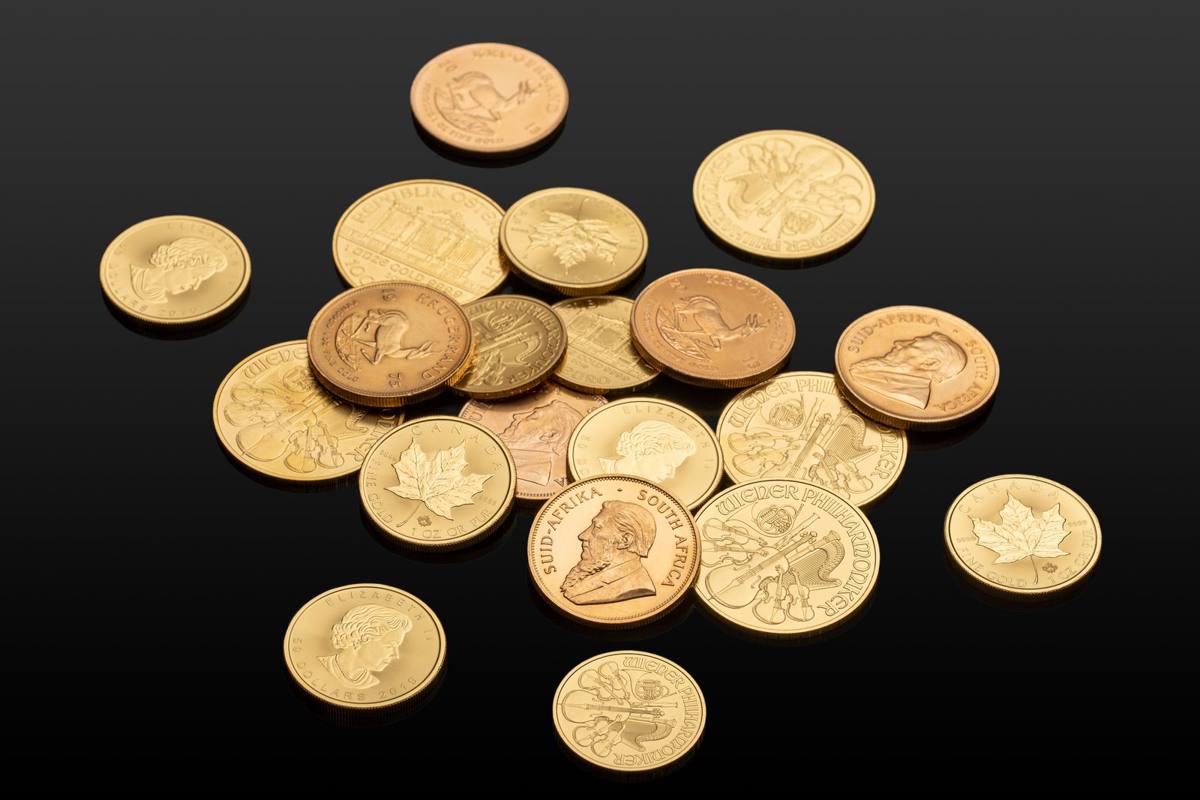
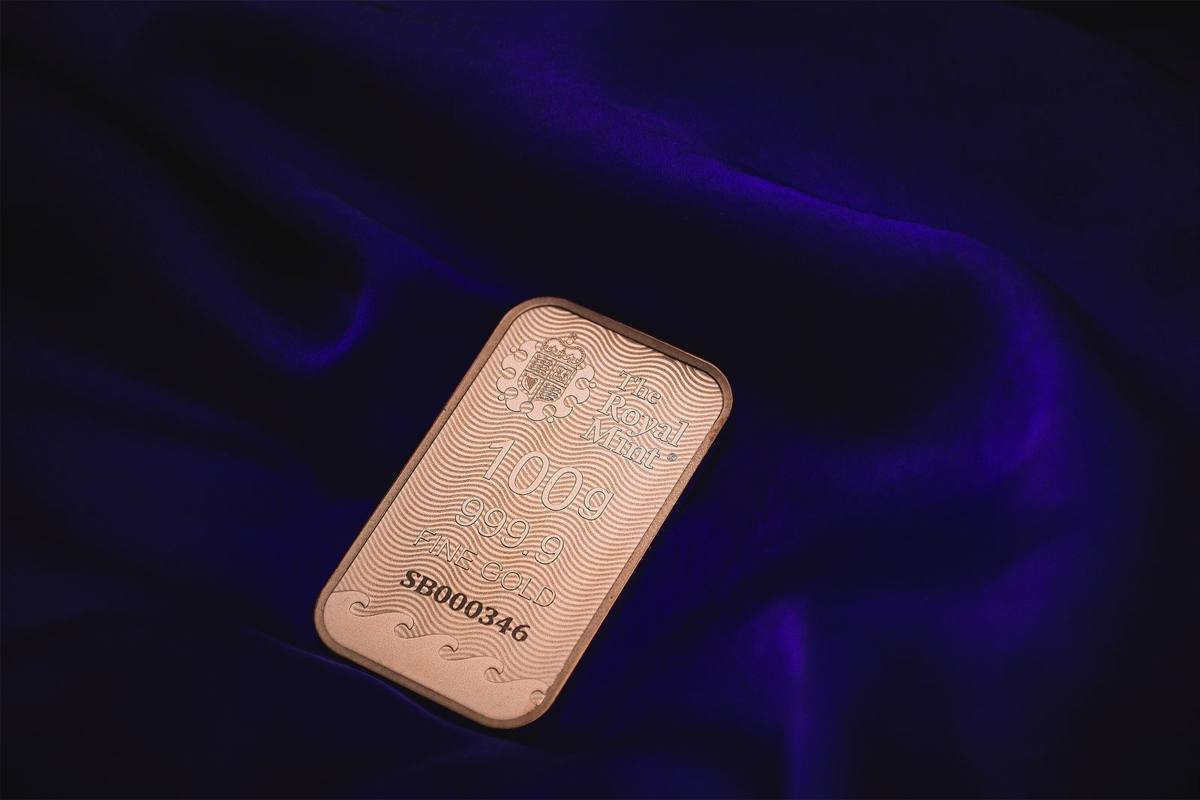
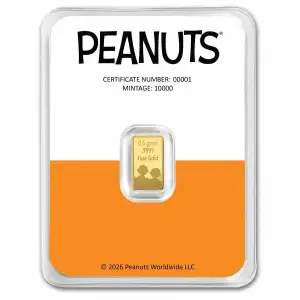
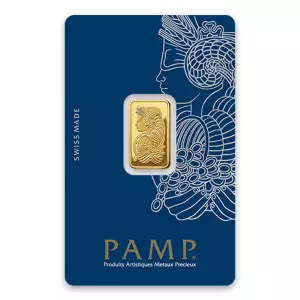
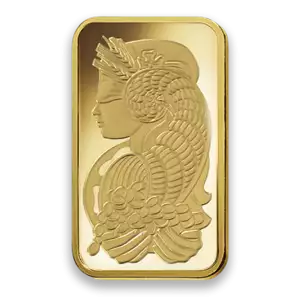
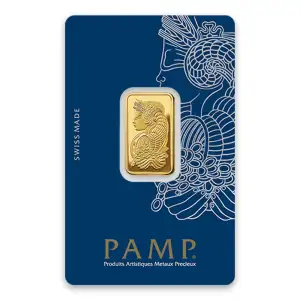
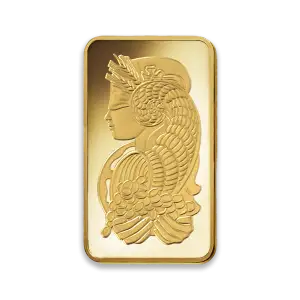
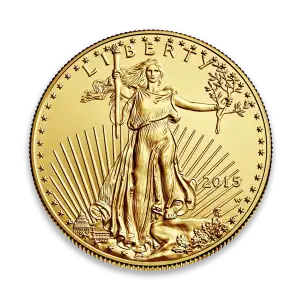
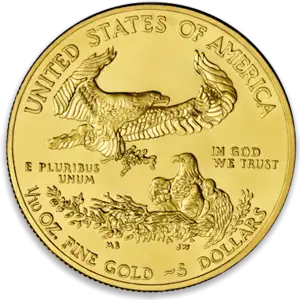
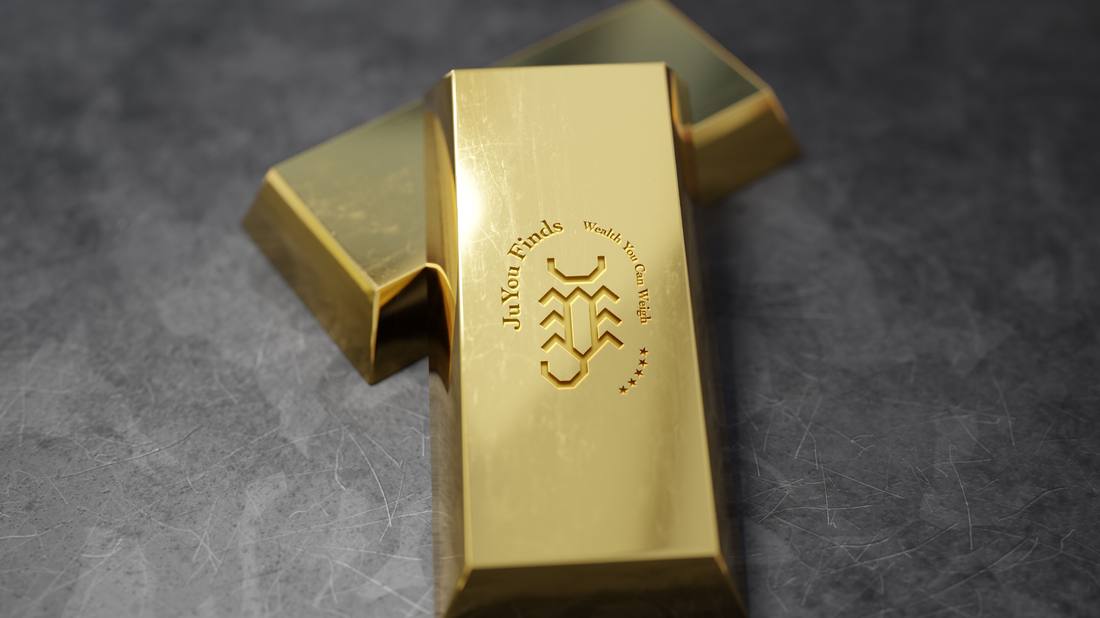
At its core, bullion is precious metal — usually gold, silver, platinum, or palladium — that has been refined to a high degree of purity and shaped into a standardized form. You will most often see it as bars, ingots, coins, or rounds. What sets bullion apart is how it is valued: it trades on the worth of the metal it contains, not on rarity, age, or historical backstory. That distinction is what separates bullion from collectible (numismatic) coins, which can command extra value because of their scarcity or story.
The Four Bullion Metals
Gold. The best-known bullion metal and the most widely traded. Gold bars, coins, and rounds have long served investors as a defense against inflation and weakening currencies, thanks to gold's deep markets and long track record as a store of value.
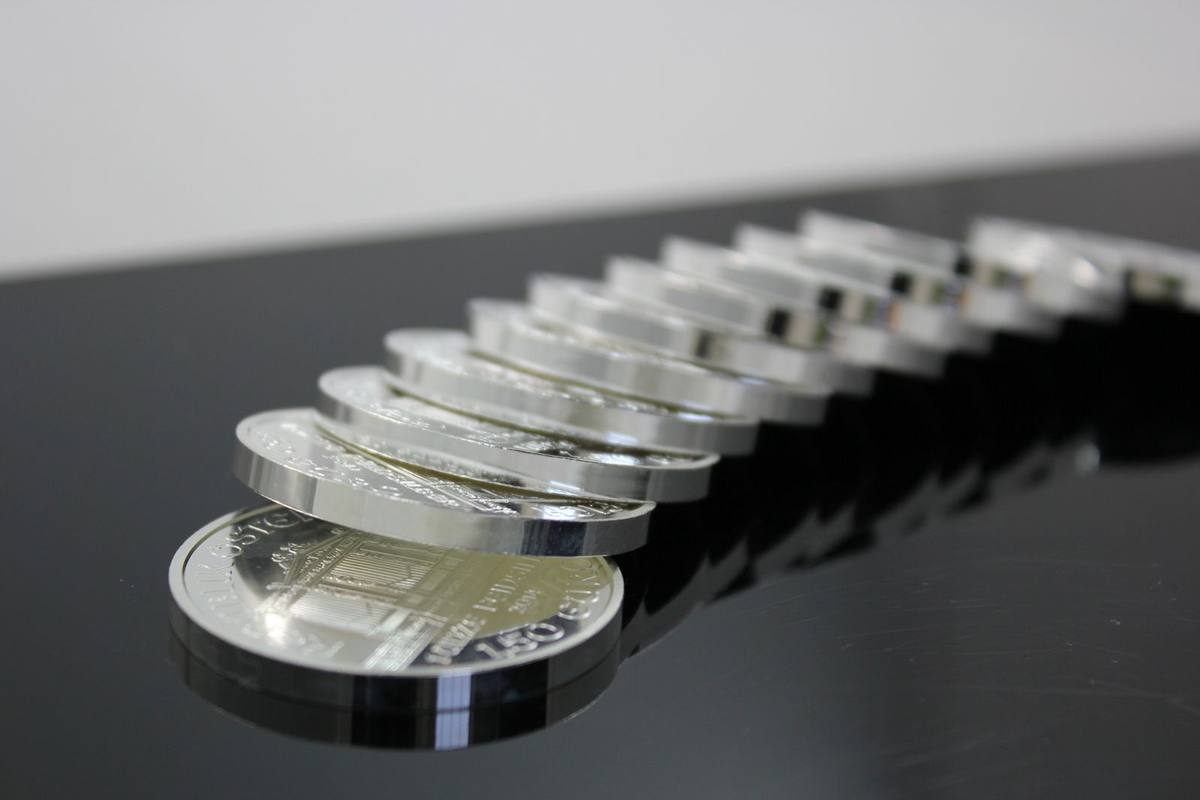
Silver. Gold's less expensive sibling. Silver bullion comes in the same trio of forms — bars, coins, and rounds — and carries an extra dimension: strong industrial demand. Electronics, solar panels, and medical devices all rely on silver, so its price reflects both investment appetite and factory orders.
Platinum. A rare metal prized by the automotive and jewelry industries. Platinum bullion typically appears as bars and coins, and investors use it to broaden a portfolio beyond gold and silver.
Palladium. Once a niche metal, palladium has won a growing following. Like platinum, it is essential to catalytic converters, and it is sold as bars and coins for investors seeking further diversification.
What Moves Bullion Prices?
Unlike a stock, whose price reflects a company's fortunes, bullion answers to the market for the metal itself. Prices shift with supply and demand, the state of the economy, geopolitical developments, and the collective mood of investors. Because of that direct link, bullion often behaves differently from stocks and bonds — a quality many portfolio builders value.
From Ore to Bullion: How It Is Made
The gleaming bar on a dealer's shelf is a long way from raw rock. Producing investment-grade bullion is a careful, multi-stage process:
- Mining. Precious metals are pulled from the ground by mining operations around the world.
- Refining. The raw ore is purified through techniques such as smelting, electrolysis, or chemical treatment, stripping away impurities until the metal reaches investment purity.
- Casting. The clean metal is poured into molds to create bars and ingots of uniform size and weight — consistency is what makes bullion tradable.
- Stamping. Each piece is stamped with its metal type, purity, weight, and the name of the mint or refiner that made it. Those marks guarantee authenticity and traceability.
- Packaging. Finally, the finished pieces are sealed in protective packaging so they arrive undamaged and stay pristine in storage.
A Brief History of Bullion
Humanity's fascination with precious metal stretches back millennia. Civilizations in Mesopotamia, Egypt, Greece, and Rome all used gold and silver for trade, currency, and adornment — gold in particular came to symbolize wealth, power, and even divinity.
The 19th century brought the gold standard, under which major currencies were tied directly to gold. Central banks stockpiled bullion to back their money, ushering in an era of large-scale gold accumulation. Then came the California Gold Rush of the mid-1800s, when word of rich deposits drew prospectors from every corner of the globe and poured enormous quantities of gold into circulation.
Today, bullion trades on sophisticated global markets. Exchanges and associations such as the London Bullion Market Association (LBMA) and the Chicago Mercantile Exchange (CME) set benchmark prices and keep the worldwide market liquid and transparent.
What Is Bullion Used For?
Investing. Many buyers treat bullion as a store of value — a way to protect wealth when inflation rises or currencies wobble. Because precious metals often move independently of stocks and bonds, they can smooth out a portfolio's ups and downs. More active traders also speculate on short-term price swings using futures and options.
Industry. Silver, platinum, and palladium are workhorses of modern manufacturing. They appear in smartphones, computers, and other electronics, and platinum and palladium are indispensable in catalytic converters, which scrub pollutants from vehicle exhaust.
Jewelry. Gold and silver's beauty and malleability have made them jewelry staples for thousands of years, while platinum and palladium anchor high-end designs.
Official reserves. Long after gold and silver coins stopped circulating as everyday money, central banks kept accumulating bullion. Gold remains a cornerstone of national reserves and a symbol of financial stability.
Collecting. Some bullion coins and bars attract collectors too. Limited-edition or commemorative issues can trade above their metal value thanks to numismatic appeal.
The Role of Bullion Banks
Behind the scenes, specialized institutions called bullion banks keep the wholesale market running. They trade gold and silver on behalf of miners, refiners, jewelers, investors, and central banks — providing liquidity and helping official institutions manage their reserves through lending and swap arrangements. As an individual buyer, you will almost never deal with one directly, but their activity shapes the prices you see.
Before You Buy: Practical Tips
- Define your goal. Are you seeking long-term wealth preservation or short-term gains? Your answer determines what — and how much — to buy.
- Follow the market. Keep an eye on price trends, supply-and-demand news, and geopolitical events that could move metals.
- Pick the right form. Bars, coins, and rounds each carry different premiums, liquidity, and storage needs. Compare carefully — or consider paper alternatives such as ETFs, futures, or certificates.
- Plan storage. Home safes, bank safe-deposit boxes, and professional vaulting each have trade-offs in cost, security, and convenience.
- Stay disciplined. Tune out short-term noise and stick to your strategy; patience is what turns bullion into lasting wealth.
Bullion is one of the oldest and most tangible assets an investor can own. Whether you are buying your first ounce or your hundredth, understanding what it is, how it is made, and how it fits into a portfolio is the foundation of smart precious-metals investing.