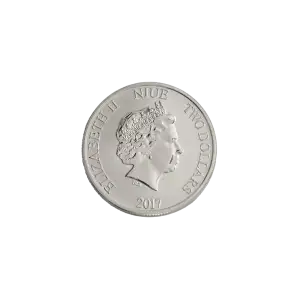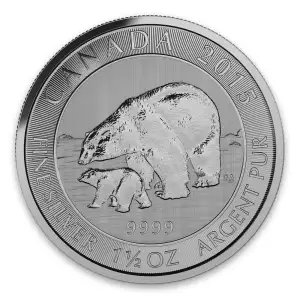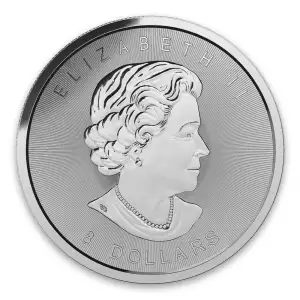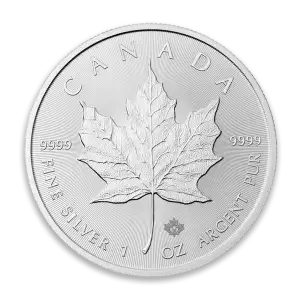
Whether a silver coin arrived as a gift, came from an inherited collection, or was bought from a dealer you have not used before, the same question comes up: is it actually silver? Several home checks exist, plus one professional method. They are not equal. Some can only rule a fake out, some can damage the piece, and one popular test is far less reliable than the internet makes it sound.
Start With What a Test Can Actually Prove
No single home test proves both that a piece is silver and exactly how pure it is. Most checks answer a narrower question — does this behave the way silver should in one specific way? A piece that passes one check can still fail another, so layer two or three methods together.
The Ice Cube Test: Popular, but Unreliable
Silver conducts heat very well, so an ice cube placed on a genuine piece should melt noticeably fast. That is the idea behind the ice test you will see recommended online. In practice, too much else affects the result. A coin that is warm from being held, or that has been sitting under a lamp, will melt ice quickly whether it is silver or not.
To make the comparison mean anything at all, you would need an ice cube of the same size melting at the same time on a non-silver object, under the same conditions — and even then the test cannot separate purities. It cannot reliably distinguish a .999 fine piece from lower grades such as .925, .900, .800, or lower. With that many uncontrolled variables, treat the ice test as a curiosity, not evidence.
The Ring Test: A Quick Sound Check
Tap the rim of a suspected silver coin lightly — a pencil is commonly used — and listen. A silver coin should ring. A dull result points the other way, and a clear ring can help you rule out a plated fake.
The limits matter. The ring tells you nothing about exact purity, and tapping a coin or bar risks marking it. If keeping the piece in pristine condition matters to its value, this is not the first test to reach for.
The Magnet Test: Only Rules Fakes In
This is the simplest check of all. Hold a magnet to the piece. Silver is not magnetic, so if the item sticks, it contains magnetic material instead of silver — it is fake.
Read a negative result carefully, though. If the piece does not stick, you have not proved it is genuine silver; you have only proved it is not made of a magnetic metal. Plenty of non-magnetic fakes exist. The magnet test is useful because it is fast and harmless, but it is a screening step, not a verdict.
Weigh and Measure: The Most Useful Home Test
For accuracy without damaging the piece, weigh and measure it. You need two inexpensive tools: a bullion scale and calipers. Weigh the coin or bar, then use the calipers to measure its diameter and its thickness at the edge, in millimetres. Compare all three numbers with the published specifications for that product.
If the weight and dimensions match, the piece is likely genuine. This works especially well for well-established products with fixed specifications, such as American Silver Eagles and Roosevelt Dimes. It is weaker for generic rounds, where dimensions can vary from maker to maker, so a mismatch there is harder to interpret.
XRF Scanning: The Professional Standard
X-ray fluorescence, usually shortened to XRF, is the most complete method on this list. A scanner reads the item, identifies its different layers, and reports its exact composition, which makes it easy to spot metals that should not be there. It works quickly and does not damage the piece.
The barrier is cost. XRF equipment generally runs into the tens of thousands of dollars, which puts it out of reach for most individual collectors. The practical route is through a dealer: many local bullion dealers own a scanner and may be willing to test a piece for you.
The Simplest Protection: Buy From Sellers Who Test
Most counterfeit risk can be avoided before a purchase, not after it. Reputable dealers test what they sell before it reaches a customer, and businesses in the precious-metals trade are far more likely to have XRF equipment on hand — particularly for products bought on the secondary market, where a piece has already changed hands at least once.
Combine the two approaches. Buy popular products from trusted retailers, and if a piece from an unfamiliar source is already in your hands, start with the magnet, move to weigh-and-measure, and ask a dealer with an XRF scanner for the final word.