What Is Bullion? A Beginner’s Guide to Precious Metals
Bullion is physical precious metal valued primarily for its metal content. Gold, silver, platinum, and palladium bullion are commonly produced as bars, coins, rounds, and ingots. These products are usually marked with their weight and purity so buyers can determine how much fine precious metal they contain.
Bullion can be simple or beautifully designed, but its price is generally tied more closely to the underlying metal market than to rarity or historical importance. That is the main difference between bullion and traditional numismatic collectibles.
What Qualifies as Bullion?
A bullion product typically has three defining characteristics:
- A specific precious metal: Most commonly gold, silver, platinum, or palladium.
- A stated weight: Often measured in troy ounces or grams.
- A stated purity or fineness: Usually shown as a decimal such as .999 or .9999.
One troy ounce equals approximately 31.1035 grams. Precious metals are normally quoted by the troy ounce, which is heavier than the standard household ounce.
Fineness describes the proportion of pure precious metal in a product. For example, .999 fine silver is 99.9% pure silver, while .9999 fine gold is 99.99% pure gold. Some recognized bullion coins use a durable alloy but still contain the exact stated amount of fine precious metal.
Common Forms of Bullion
| Form | Who Produces It? | Main Characteristics |
|---|---|---|
| Bars | Government mints and private refiners | Available in many weights; may be cast, poured, or precisely minted |
| Bullion coins | Sovereign government mints | Usually legal tender with a face value, but traded mainly for metal content |
| Rounds | Private mints and refiners | Coin-shaped pieces without government-issued legal-tender status |
| Ingots | Refiners and metal producers | A broad term often used for cast or molded bars |
Bullion Bars
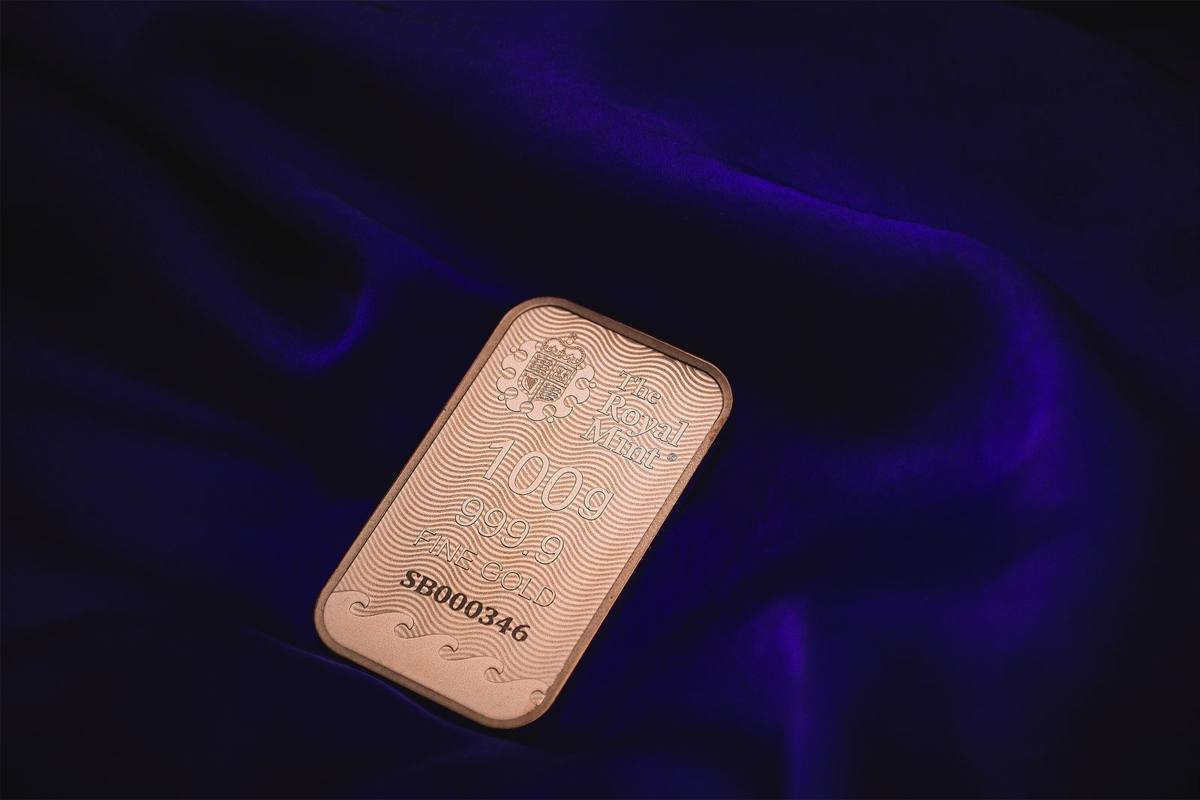
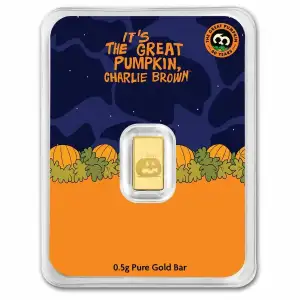
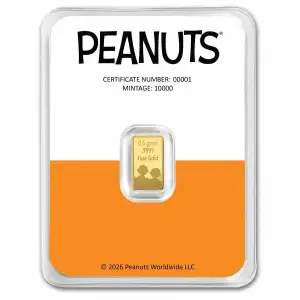
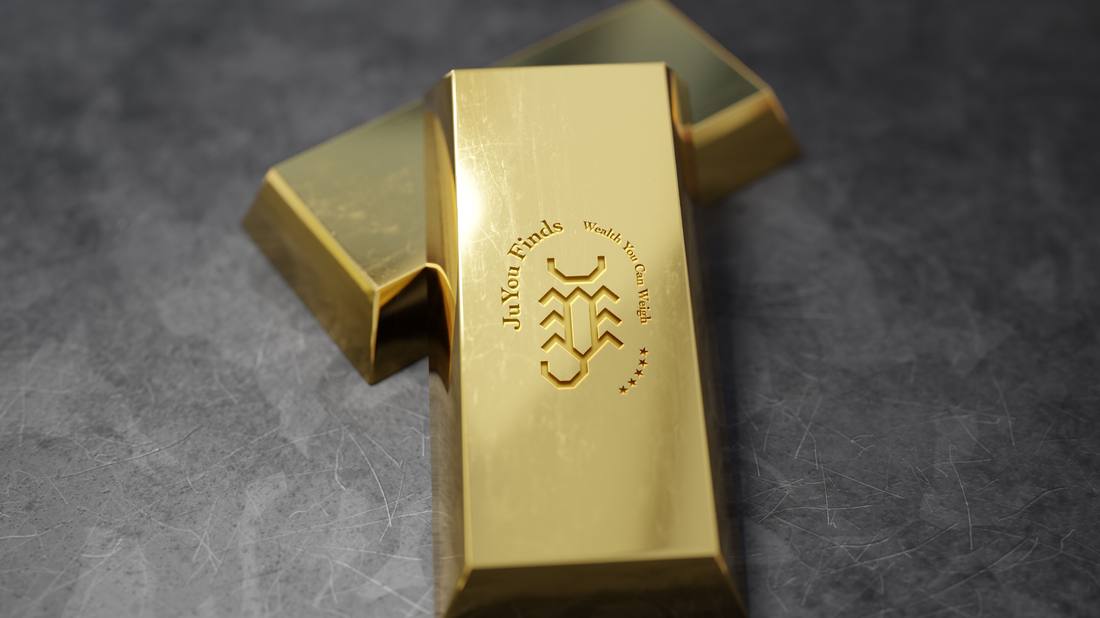
Bars are available in sizes ranging from a fraction of a gram to large institutional bars. Minted bars tend to have crisp, finished surfaces and detailed designs. Cast or poured bars often have a more natural texture, and no two examples look exactly alike.
Smaller bars are generally easier to sell in portions, but they often carry a higher premium per ounce. Larger bars may offer a lower premium per ounce, although they require more money upfront and are less divisible.
Bullion Coins
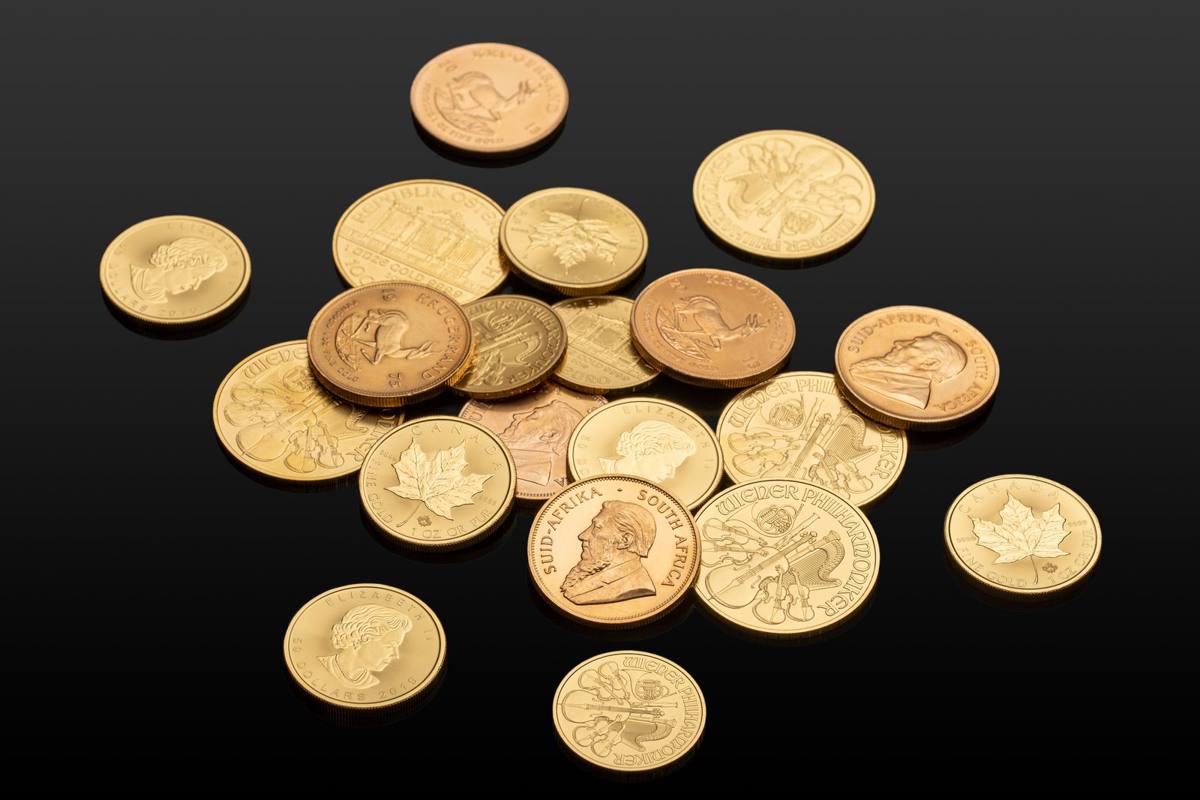
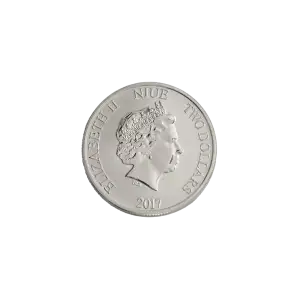
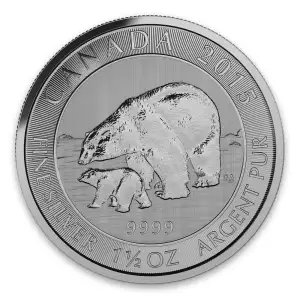
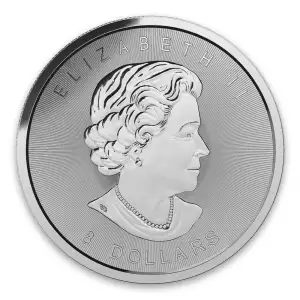
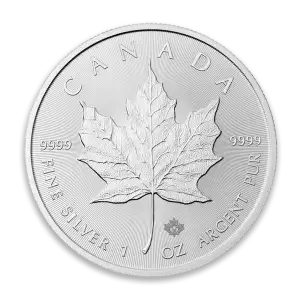
Bullion coins are issued by government mints and usually carry a legal-tender denomination. However, their precious-metal value is normally much higher than the face value stamped on the coin. Examples include the American Eagle, Canadian Maple Leaf, South African Krugerrand, British Britannia, and Australian Kangaroo series.
Government backing, recognizable designs, and established markets can make major bullion coins easy for dealers and collectors to identify. Certain dates, finishes, or limited issues may also develop collectible value beyond the metal itself.
Bullion Rounds
Rounds resemble coins but are produced by private mints and do not have legal-tender status. They are often available at competitive premiums and may feature designs ranging from traditional themes to limited collectible releases.
Gold, Silver, Platinum, and Palladium Bullion
Gold Bullion
Gold bullion is widely recognized and carries substantial value in a relatively small amount of space. It is available in gram-denominated bars, fractional-ounce coins, one-ounce products, and larger formats. Gold does not generate income, and its market price can move in either direction.
Silver Bullion
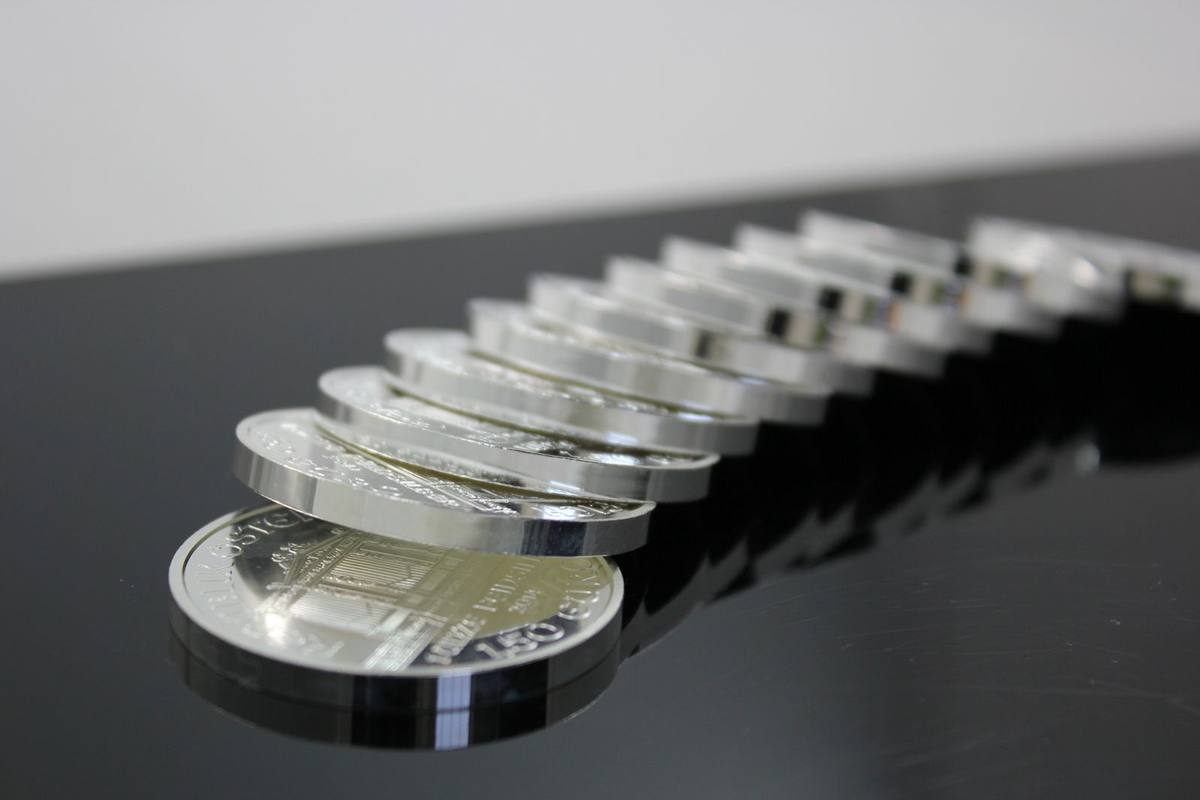
Silver generally has a lower price per ounce than gold, which can make physical ownership more accessible. It is sold in one-ounce coins and rounds, multi-ounce bars, kilo bars, and larger products. Because the same dollar value of silver takes up more space than gold, storage and shipping can become more significant considerations.
Platinum and Palladium Bullion
Platinum and palladium are available in selected bars and government-issued coins. Their markets are smaller than the gold and silver markets, and industrial demand can have a major influence on price. Product availability and dealer spreads may also be wider.
Bullion vs. Numismatic Coins
| Consideration | Bullion | Numismatic Coins |
|---|---|---|
| Primary value | Precious-metal content | Rarity, date, grade, history, and collector demand |
| Price reference | Spot value plus a premium | Comparable sales and specialist market knowledge |
| Condition | Important, but often secondary to metal content | Can have a major effect on price |
| Supply | Often produced in large quantities | May be limited by surviving population or mintage |
The categories can overlap. A bullion coin may later command an additional collectible premium because of its date, condition, mintage, label, or design. Buyers should understand how much of a product’s asking price reflects metal value and how much reflects collectibility.
How Is Bullion Priced?
The starting point is the product’s melt or intrinsic value: the live market price of the metal multiplied by the amount of fine metal it contains. Retail bullion is normally sold above that value.
Approximate retail price = metal value + product premium
The premium helps cover refining or minting, fabrication, distribution, insurance, dealer operations, and current supply-and-demand conditions. Premiums can vary significantly by product, metal, size, brand, availability, and payment method.
A dealer’s buyback price may be different from the retail selling price. Before buying, consider both sides of the transaction and ask how the product would typically be evaluated if you later decided to sell it.
How Bullion Is Made
- Sourcing: Precious metal comes from mining, recycling, or existing refined stock.
- Refining: Impurities are removed until the metal reaches the required fineness.
- Forming: The refined metal is cast, poured, rolled, blanked, or struck into its final shape.
- Testing and marking: The product may be assayed and marked with its weight, purity, and producer.
- Packaging and distribution: Finished bullion is protected and delivered through wholesale and retail markets.
Large wholesale gold and silver bars may follow formal market standards. The London Bullion Market Association maintains Good Delivery standards used in the professional London market. Retail products are much smaller, but reputable mints and refiners also use controlled manufacturing, weighing, and quality-assurance processes.
Why Do People Buy Physical Bullion?
- Tangible ownership: Physical bullion is a real asset that can be held directly.
- Exposure to precious-metal prices: Its value is linked primarily to the underlying metal market.
- Portfolio diversification: Some buyers use precious metals alongside other asset types.
- Collecting and gifting: Bullion products may also be chosen for their design, cultural meaning, or presentation.
- Potential resale market: Widely recognized products can be bought and sold through many precious-metal dealers.
These possible benefits should be weighed against price volatility, dealer spreads, storage and insurance costs, counterfeiting risk, and the fact that physical bullion does not pay interest or dividends.
What to Check Before Buying Bullion
- Confirm the metal, weight, and purity. Make sure the specifications are clearly disclosed.
- Compare the premium. Look beyond the total price and understand how far it is above the metal value.
- Evaluate recognition and liquidity. Familiar products may be easier to verify and resell.
- Buy from a reputable source. Review the seller’s history, payment terms, return policy, shipping practices, and insurance coverage.
- Ask about testing. Reputable dealers may use weight and dimension checks, electronic precious-metal testing, specific-gravity testing, XRF, or other appropriate methods.
- Plan secure storage. Consider home safes, bank safe-deposit boxes, or professional storage, along with access and insurance.
- Understand the exit. Ask how the item is commonly bought back and what documentation or packaging should be retained.
- Check applicable taxes and rules. Sales-tax treatment and reporting requirements can depend on the product, transaction amount, and jurisdiction.
Final Thoughts
Bullion offers a straightforward way to own physical gold, silver, platinum, or palladium, but the details matter. The form, weight, purity, premium, producer, and resale market can all affect the buying experience.
At Juyou Finds, we believe precious-metals buyers should receive clear product information and understand what they are paying for. Whether you are purchasing your first silver round, a fractional gold bar, or adding to an established collection, careful comparison and independent research can help you make a more informed decision.
This article is provided for educational purposes only and is not financial, investment, tax, or legal advice. Precious-metal prices and product premiums can rise or fall.