Why Purity Is Stamped on Every Bar
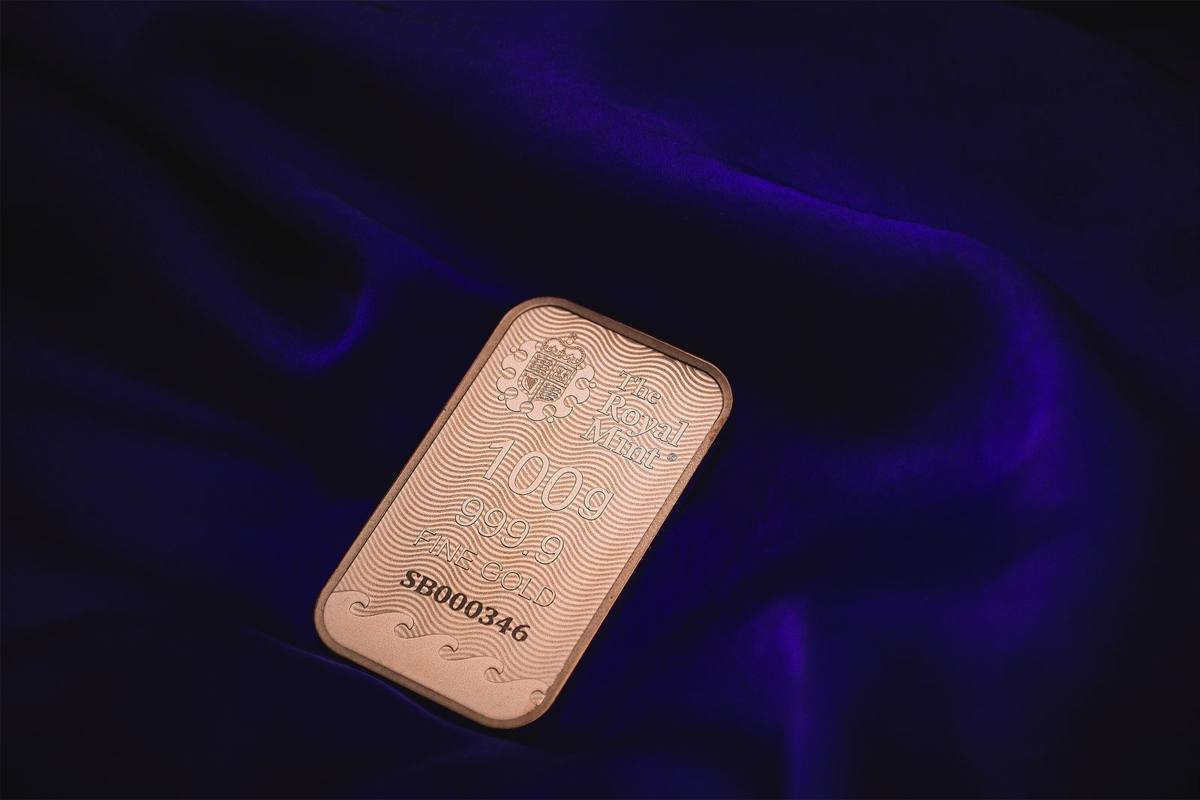
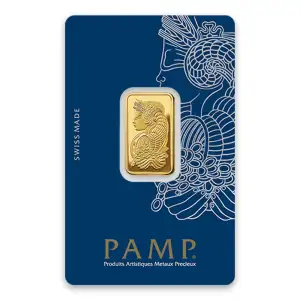
If you have ever picked up a gold bar, you have probably noticed a short string of digits stamped right into the metal: 999.9, 9999, sometimes 999+. These are not serial numbers — they are purity guarantees, and they are one of the first things a serious buyer checks. Understanding what each figure means helps you compare products, judge whether an item qualifies for a retirement account, and avoid overpaying for a purity level you may not actually need.
Millesimal Fineness, Explained Simply
The precious metals world expresses purity as millesimal fineness — the number of parts of pure metal in a thousand parts total. A bar marked 999 contains 999 parts of pure metal and at most one part of something else, which works out to 99.9% purity. A bar marked 9999 contains only one part impurity in ten thousand, or 99.99% purity. These two figures — .999 and .9999 — are the established benchmarks for gold, silver, platinum, and palladium products.
In spoken trade shorthand, .999 is called "three nines fine" and .9999 is "four nines fine." You will hear both terms at coin shops and bullion dealers, and they refer to exactly the same stamps you see on the products themselves.
So Where Does ".999+" Fit In?
A product described as .999+ falls between those two benchmarks: purer than 99.9% but not quite reaching 99.99%. The plus sign is doing real work here — it tells you the metal is in that ultra-high-purity band without claiming the top-tier four-nines figure.
One thing worth knowing: 999+ is not an official designation. It is industry shorthand for investment-grade products of exceptional purity — coins, rounds, and bars that are effectively free of the trace impurities that could drag down resale value. When you see it, read it as the seller's way of saying "this sits above standard fine quality, though it is not certified to the four-nines level."
Purity and Retirement Accounts
The plus sign matters most when it comes to precious metals held inside an Individual Retirement Account. Federal rules set minimum purity thresholds for IRA-eligible metals, and each metal has its own bar:
- Gold: must be at least 99.5% pure (.995 fineness)
- Silver: must be at least 99.9% pure (.999 fineness)
- Platinum and palladium: must be at least 99.95% pure (.9995 fineness)
That platinum and palladium threshold is exactly why .999+ terminology shows up — a .9995 platinum bar clears its IRA hurdle while sitting squarely in the .999+ band. The takeaway for buyers: if you are buying with a retirement account in mind, check the specific minimum for the metal you want rather than assuming any "high purity" stamp is enough.
Does an Extra Nine Actually Matter?
Honest answer: for most stackers, the practical difference between .999 and .9999 is tiny. Both are overwhelmingly pure metal, and premiums for four-nines products can run higher — particularly with silver. Where the higher figure does matter is resale convenience: well-recognized mints and major refiners stamp their flagship bars at 999.9 or 9999 precisely because that figure signals maximum refining quality to buyers and IRA custodians alike.
The real lesson is simpler than the math. Purity stamps exist so that a buyer anywhere in the world can trust what a piece of metal is without melting it down. When you see .999, .999+, or .9999 on a bar or round from a reputable maker, you are looking at a promise — and understanding the promise is what makes you a confident buyer.