You don't need to buy a full troy ounce to own real gold or platinum. Fractional coins — minted versions of the world's best-known bullion coins in pieces of an ounce — let you start with a much smaller budget while still holding the same pure metal. Understanding what fractional sizes are, why they exist, and where they cost you more will help you buy them smartly.
What "Fractional" Means in Precious Metals
A fractional coin is simply a bullion coin that contains less than one full troy ounce of metal. Most fractional coins fall between one-twentieth of an ounce and one-half ounce. They carry the same design and government backing as their full-ounce siblings — the only difference is size, weight, and price.
Fractional sizes are far more common in the expensive metals: gold, platinum, and palladium. A full ounce of gold is a serious purchase, so mints slice it into affordable pieces. Silver, being far cheaper per ounce, rarely gets the fractional treatment — a full-ounce silver coin is already within most budgets.
The Most Common Fractional Sizes
Across the major mints, you'll encounter the same handful of fractional weights again and again:
- 1/10 oz — the most popular entry-level gold coin size in the world
- 1/4 oz — a middle ground between affordability and value
- 1/2 oz — a substantial holding at roughly half the cost of a full ounce
- 5-gram and 10-gram — metric fractional sizes common in European and Asian markets
Why Buyers Choose Fractional Coins
The advantages are practical, not theoretical. First is affordability: when a single ounce of gold costs thousands of dollars, a tenth-ounce coin puts real gold within reach of an ordinary paycheck. That same low ticket price makes fractional coins easier to sell — there are far more buyers for a small coin than for a large one, so your metal stays liquid.
Second is portfolio diversification. Investors working with tight budgets can spread purchases across several months, gradually building a position instead of saving up for one big coin. Finally, there's collectibility: many buyers enjoy assembling a complete set of a series — every denomination of a given year's release — which is only possible because the fractional sizes exist.
The Trade-Off: Higher Premiums
There is no free lunch. Fractional coins carry higher premiums per ounce than full-ounce coins. The minting, handling, and distribution costs of a small coin are nearly the same as for a large one, so those costs get spread over less metal. Buy a tenth-ounce coin and you pay more dollars per ounce of gold than you would on a full-ounce piece.
Over many years of steady buying, that premium gap adds up. If your goal is to accumulate the maximum ounces for the minimum total cost, full-ounce products are the more efficient choice. Fractional coins win on flexibility, not on price per ounce.
Famous Fractional Coin Programs
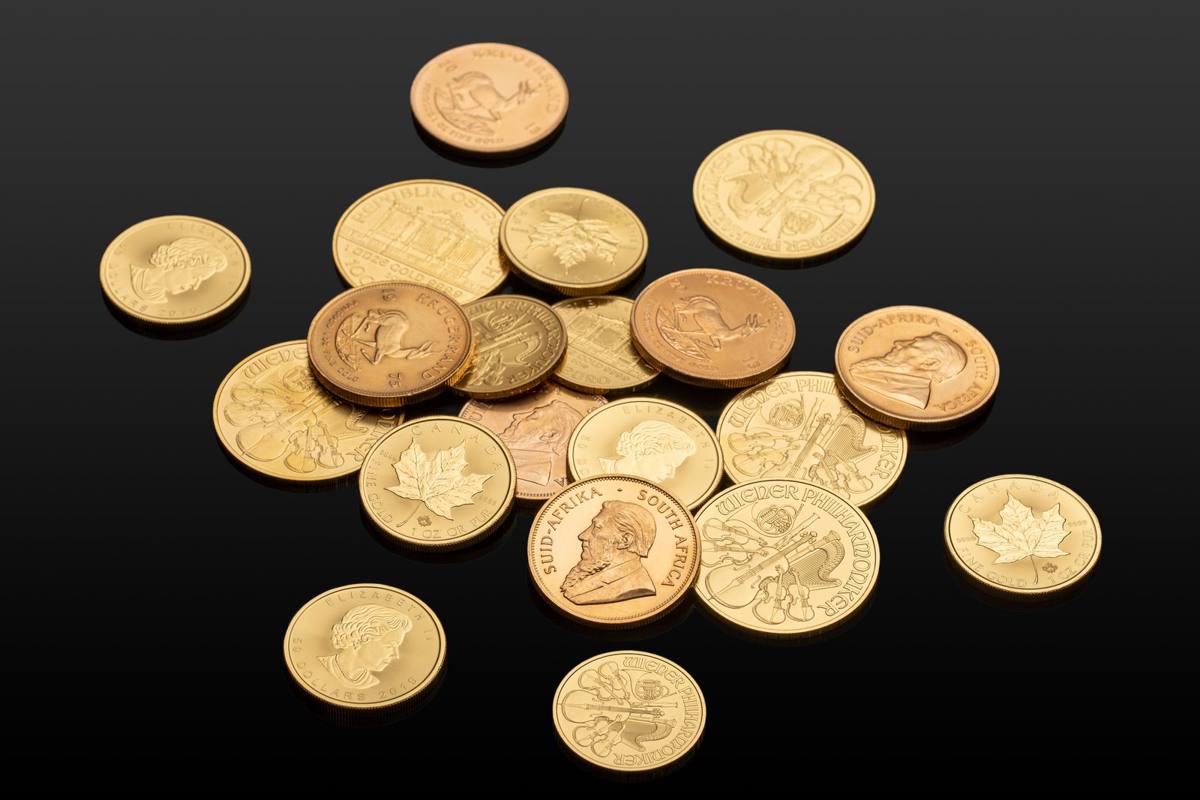
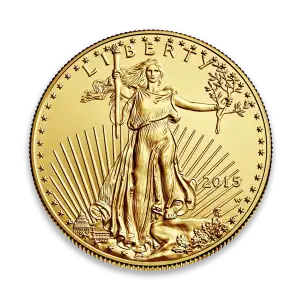
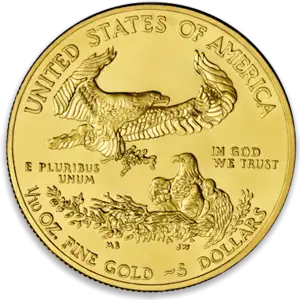
Nearly every major gold coin series offers fractional sizes. The American Gold Eagle comes in 1/10, 1/4, 1/2, and 1 oz, with legal-tender face values ranging from $5 for the tenth-ounce up to $50 for the full ounce. The Canadian Gold Maple Leaf goes even smaller, offering 1/20 oz alongside the 1/10, 1/4, 1/2, and 1 oz sizes; its smallest coin carries a $1 face value while the full ounce is $50.
Mexico's Gold Libertad is sold in 1/20 through 1 oz sizes, though unlike American and Canadian coins, Libertads carry no face value at all — they are valued purely for their metal. Platinum gets fractional treatment too: the American Platinum Eagle is minted in 1/10, 1/4, 1/2, and 1 oz, with denominations from $10 up to $100.
What About Fractional Bars?
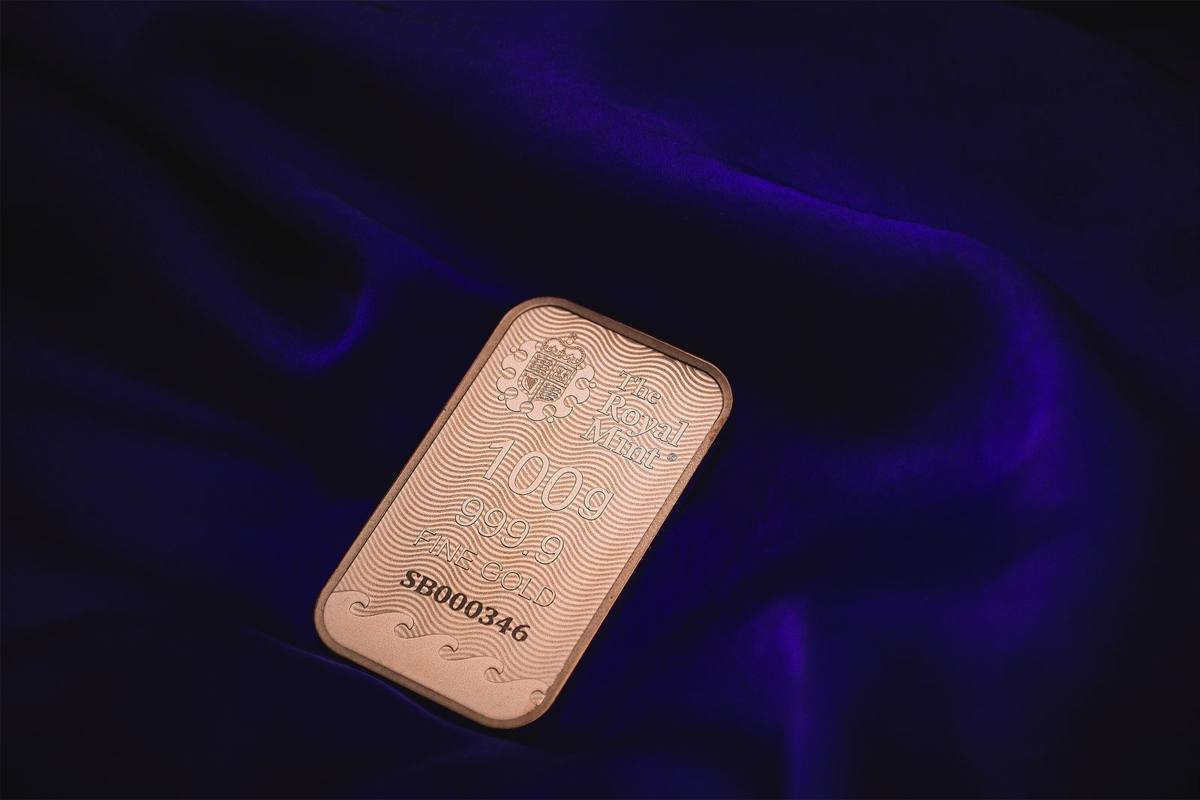
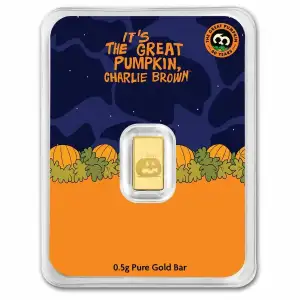
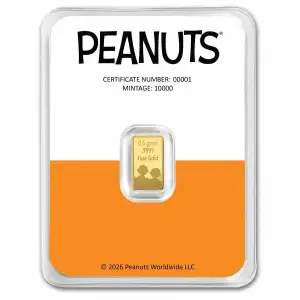
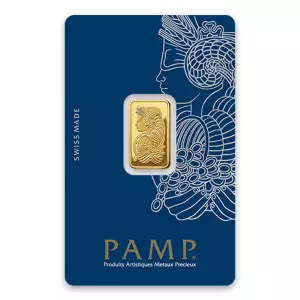
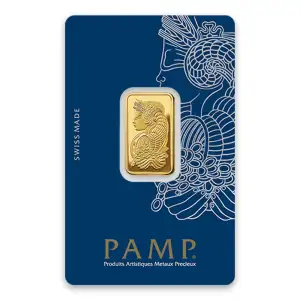
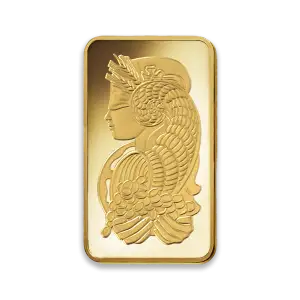
Bars come in fractional sizes as well, and the logic is identical: a bar weighing less than one ounce lowers the entry price. The difference is that bars carry no face value — they're plain metal, not currency. Refineries like Valcambi produce gold bars as small as a single gram, and even sell "CombiBars" — sheets of small linked bars you can snap apart and sell off one piece at a time. For a buyer who wants maximum divisibility, a break-apart bar is hard to beat.
The Bottom Line
Fractional coins and bars are the on-ramp to precious metals ownership: smaller pieces, lower prices, easier resale, and the same real metal as the big products. Just go in with your eyes open — you're paying a higher premium per ounce for the privilege of buying small. For building a position gradually, completing a set, or keeping your holdings flexible and sellable, that premium is often money well spent. Decide whether your priority is the lowest cost per ounce or the most flexibility per dollar, and let that answer guide your sizes.