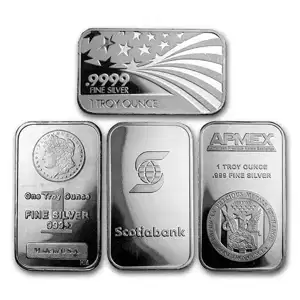
Silver has collapsed about 65% from its January 2026 peak of $121.65 to trade near $42 an ounce, falling 20% in just two weeks, and the rout has drawn uncomfortable comparisons with the spectacular crash of 2011.
In 2011 silver approached $50 before CME margin increases — five in about two weeks, raising costs by roughly 84% — and the end of the Fed's QE2 programme sent it more than 30% lower in days, into a bear market that eventually took it to the mid-teens.
The parallels are striking — both episodes followed extraordinary speculative rallies amplified by leverage and unravelled as monetary conditions turned less favourable — but the 2026 bubble was far bigger, and it has collapsed despite years of structural supply deficits, with a 2026 deficit of around 35 million ounces and cumulative deficits since 2021 of about 746 million ounces.
FOREX.com's Fawad Razaqzada notes the next major level to watch is $40, while reclaiming the October 2025 low of $45.55 would be the first step toward a recovery.