NGC vs. PCGS Graded Coins: What Collectors Should Know
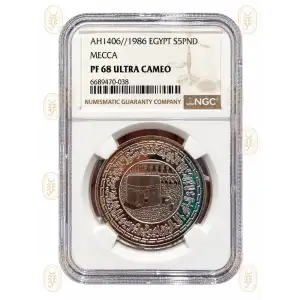
When shopping for collectible coins, you will often see coins described as “NGC graded” or “PCGS graded.” These coins have been evaluated by an independent third-party grading company and sealed inside a tamper-evident holder with a certification label.
Both NGC and PCGS are widely recognized within the numismatic market, but what does their certification actually tell you? Understanding the grading process—and its limitations—can help you make a more informed purchase.
What Is a Professionally Graded Coin?
A professionally graded coin is submitted to an independent grading service for authentication and evaluation. The service examines the coin, determines whether it is genuine and eligible for grading, assesses its condition, and assigns a grade when appropriate.
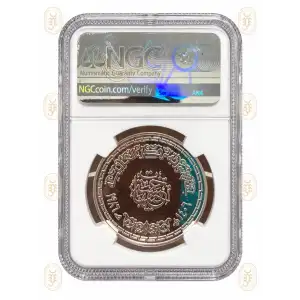
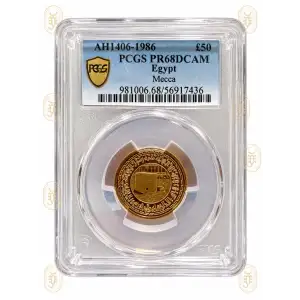
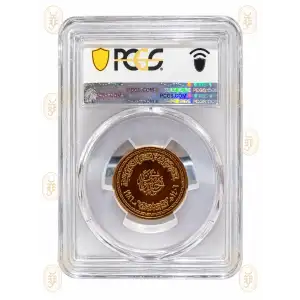
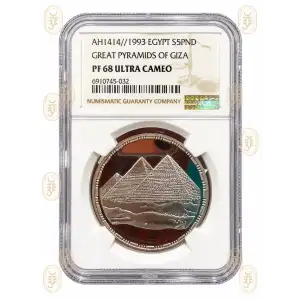
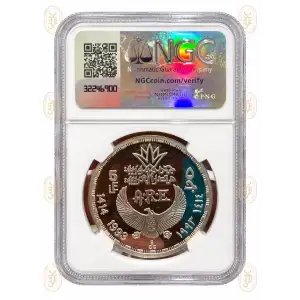
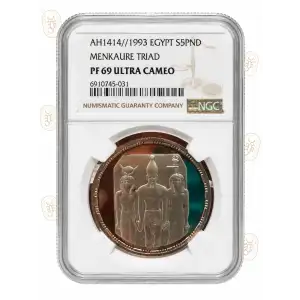
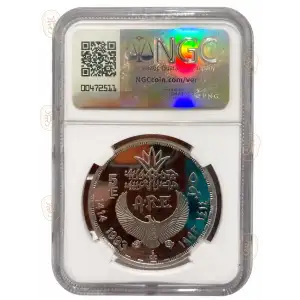
After grading, the coin is normally encapsulated in a protective holder commonly called a “slab.” The holder’s label typically identifies the coin’s date, denomination, mintmark, grade, and unique certification number. Some labels may also include a variety, pedigree, strike type, or special designation.
Who Are NGC and PCGS?
PCGS, or Professional Coin Grading Service, began grading coins in 1986. NGC, or Numismatic Guaranty Company, began operations in 1987. Both companies provide authentication, grading, encapsulation, and online certification-verification services.
Although collectors sometimes prefer one holder or grading service over the other, both companies are established names in the rare-coin industry. The better purchase usually depends on the individual coin, its assigned grade, its appearance, its price, and your collecting goals—not simply the logo printed on the holder.
How the Coin Grading Process Works
The exact procedures vary by company and service level, but professional grading generally includes the following steps:
- Receiving and identification: The submission is recorded and assigned a tracking or certification number.
- Authentication: Specialists examine the coin to determine whether it is genuine and check for alterations.
- Condition evaluation: Graders consider wear, surface marks, luster, strike quality, color, and overall eye appeal.
- Grade determination: Multiple professional opinions may be used before the final grade is assigned.
- Encapsulation: Eligible coins are sealed in a labeled, tamper-evident holder.
- Final quality control: The coin, label, and holder are reviewed before the certified coin is returned.
Understanding the 1–70 Grading Scale
NGC and PCGS use grading systems based on the 1–70 Sheldon scale. A higher number represents a coin in a better state of preservation, but the number does not measure rarity or guarantee a particular market value.
- Grades 1–59: Generally used for circulated coins, ranging from heavily worn examples to coins with only slight evidence of wear.
- Grades 60–70: Used for Mint State coins with no wear from circulation. Differences within this range may reflect marks, luster, strike, and eye appeal.
- Proof coins: Commonly use “PR” on PCGS labels and “PF” on NGC labels, followed by a numeric grade.
- Details grades: A genuine coin with cleaning, damage, environmental issues, or another significant problem may receive a description of its condition instead of a standard numeric grade.
Even a one-point difference can affect a coin’s price, especially when the higher grade is scarce. However, two coins with the same grade can still look different because toning, strike, and eye appeal are not identical from one coin to another.
Benefits of Buying NGC- or PCGS-Certified Coins
Greater Confidence in Authenticity
Professional authentication can reduce uncertainty, particularly when buying rare, valuable, or frequently counterfeited coins. Both companies publish guarantees covering authenticity and grade, subject to their respective terms, conditions, and exclusions.
A Standardized Condition Opinion
A recognized third-party grade gives buyers and sellers a common reference point. This can make it easier to compare similar coins and research recent market prices.
Protection and Identification
The sealed holder helps protect the coin from ordinary handling while keeping its identification and certification information with it. Certified coins should still be stored carefully and protected from moisture, extreme heat, chemicals, and other harmful conditions.
Easier Verification and Resale
Collectors can enter a coin’s certification number on the official NGC or PCGS website to confirm the recorded description and grade. Depending on the coin and service, online images may also be available. Widely recognized certification can make a coin easier to describe and offer for resale, although it does not guarantee a profit or a specific selling price.
What Certification Does Not Guarantee
A grading label is an expert opinion about authenticity and condition at the time of evaluation. It is not a promise that the coin will increase in value. Market value can change based on rarity, collector demand, precious-metal prices, population reports, auction activity, and the individual coin’s eye appeal.
Certification also does not replace careful buying. Counterfeit and tampered holders exist, and guarantee coverage is subject to each company’s current rules. Always verify the certification number directly with the grading company and compare the holder, label, and coin with the information shown in its database.
Is NGC or PCGS Better?
There is no single answer for every collector or every coin. Both services are accepted by many collectors, dealers, and auction companies. Some buyers have preferences based on the coin series, holder style, registry program, label design, or past experience.
When comparing two certified coins, focus on:
- The coin’s authenticity and certification status
- The assigned grade and any special designations
- The coin’s eye appeal, strike, luster, and surfaces
- Population data and known rarity at that grade
- Recent sales of genuinely comparable examples
- The asking price and the seller’s reputation
Before You Buy a Certified Coin
- Verify the certification number on the official NGC or PCGS website.
- Confirm that the online description matches the coin and label.
- Review clear photographs of both sides of the coin and the full holder.
- Research recent completed sales, not only current asking prices.
- Understand any designation, variety, pedigree, or “Details” notation on the label.
- Buy from a reputable seller with clear payment, shipping, insurance, and return policies.
Final Thoughts
NGC and PCGS certification can provide useful independent information, added protection, and greater confidence when purchasing collectible coins. Still, the holder is only part of the decision. The coin itself, its rarity, its appearance, and the price you pay remain essential.
At Juyou Finds, we believe collectors should understand what they are buying. Whether you are purchasing your first certified coin or adding a scarce piece to an established collection, careful research and transparent information can help you buy with confidence.
This article is provided for educational purposes only and should not be considered financial, investment, tax, or legal advice. Collectible and precious-metal values can rise or fall.