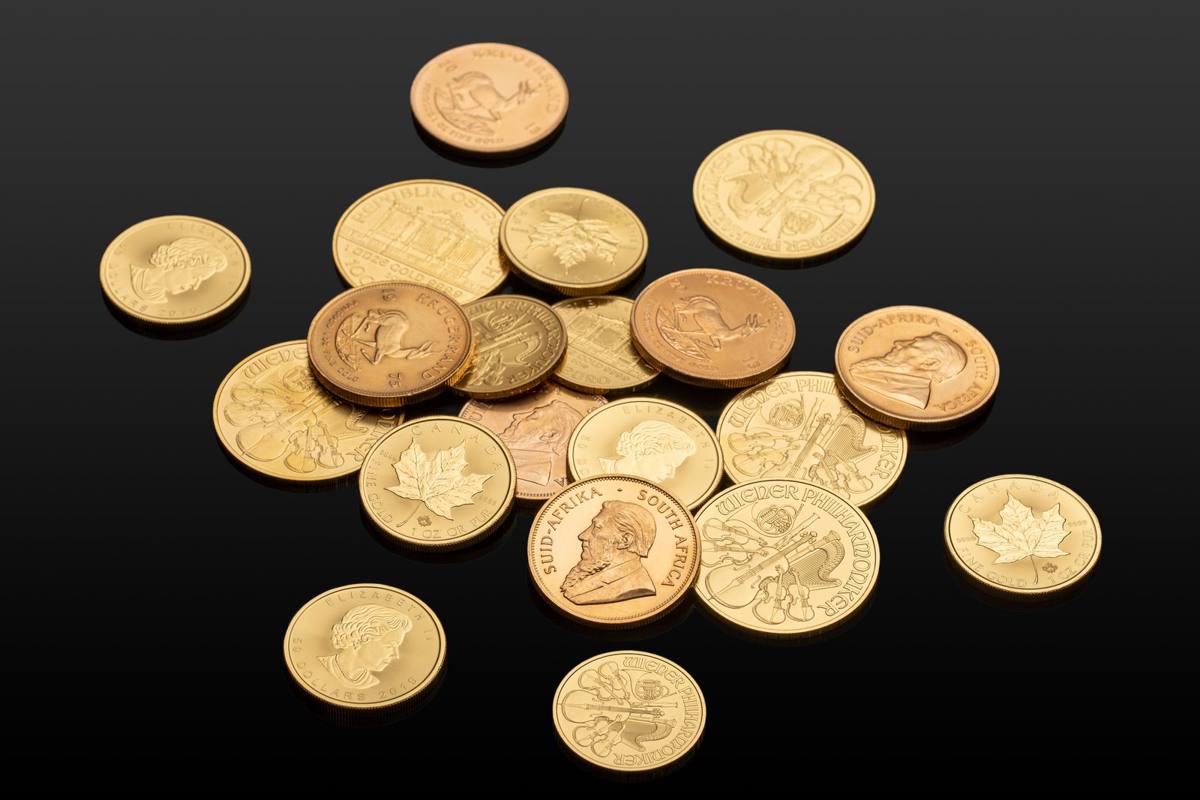
Laurium Capital asks whether gold has actually delivered as a geopolitical hedge — and finds the answer is 'not lately': at around $4,200 an ounce, gold sits below its $4,320 level at the start of 2026 and is broadly unchanged from a year ago, despite Middle East conflict, global trade fragmentation and intensifying great-power competition. Rising real interest rates and a stronger US dollar, the firm argues, have exerted more influence on the price than geopolitics, while March ETF redemptions and weaker first-quarter central bank buying diluted safe-haven demand.
Its takeaway: gold tends to be most effective as a geopolitical hedge when the macroeconomic backdrop is supportive — falling real rates, a weaker US dollar and accommodative monetary policy — conditions largely absent today. For South African investors, rand weakness can still enhance local-currency returns, but gold is best viewed as one component of a diversified portfolio rather than a guaranteed crisis hedge.