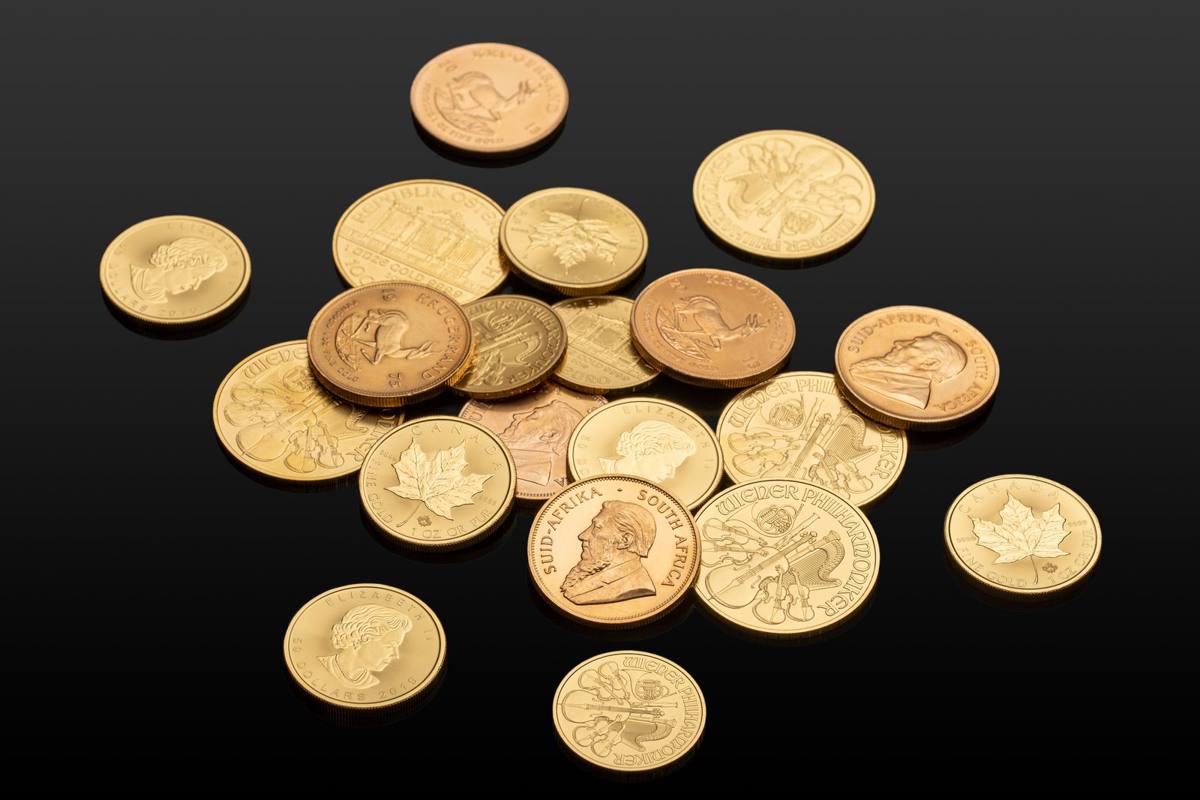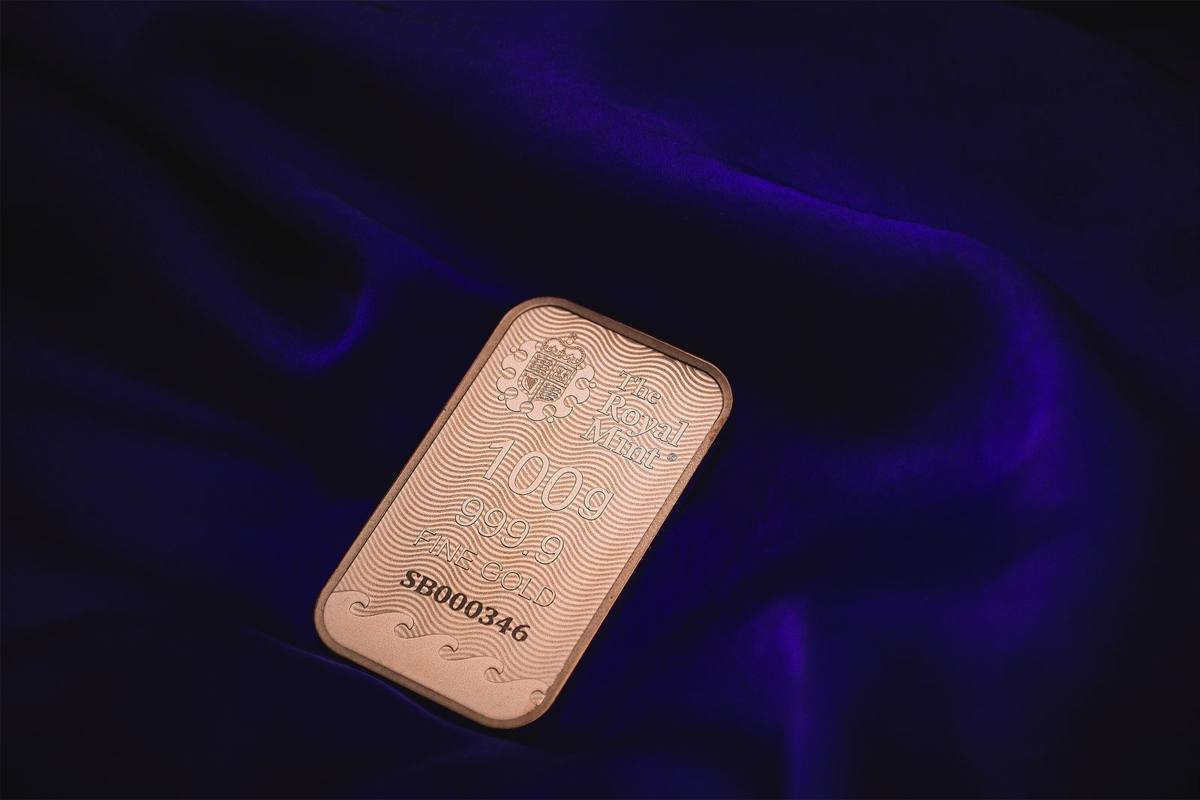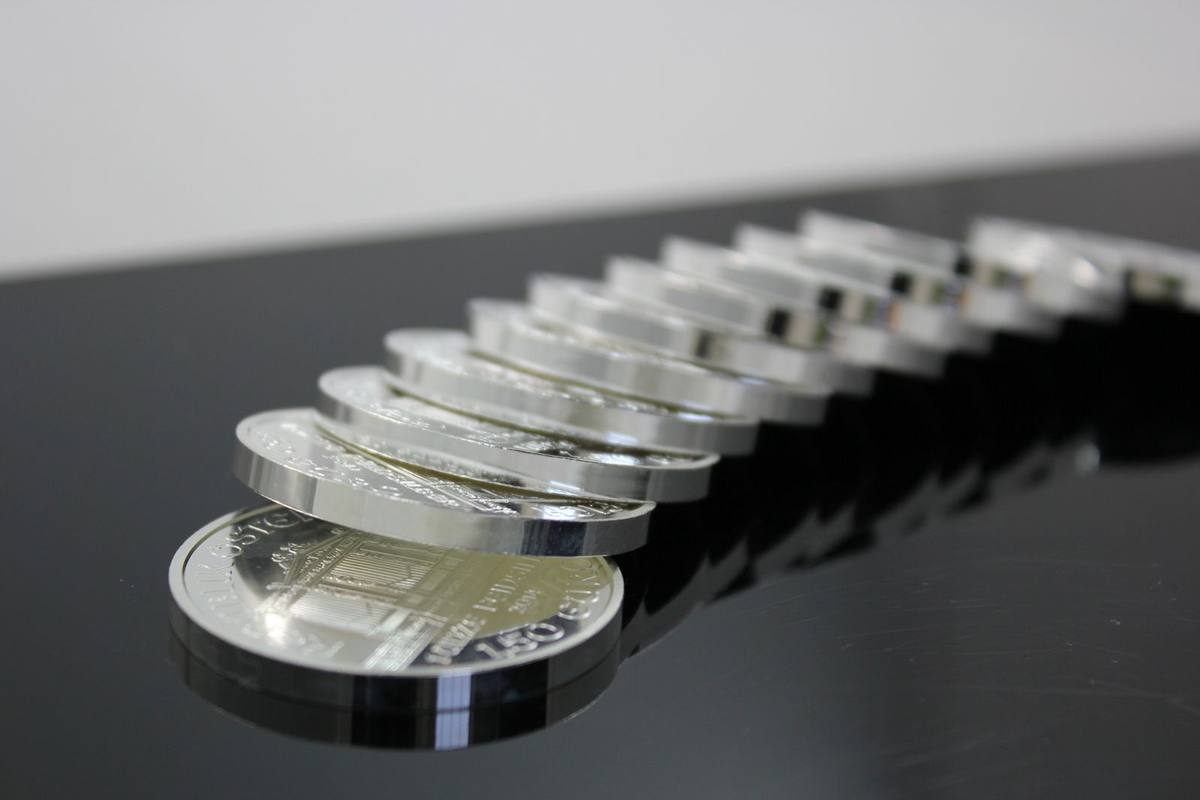
Counterfeit gold and silver are a fact of life in the precious metals market — and the fakes keep getting better. A decade ago a crude copy was easy to spot. Today, skilled counterfeiters replicate genuine coins and bars closely enough to fool casual buyers, and they don't stop at the metal itself: the tamper-evident packaging that mints and refineries use to protect their products is being faked too. If someone can counterfeit a gold bar, copying the plastic and cardboard around it is the easy part.
The First Rule: Know Your Seller
The best defense against counterfeits isn't a gadget — it's buying from a reputable source. Start with reviews: the dealer's own site, the Better Business Bureau, and Reddit, where collectors discuss sellers openly. A total lack of reviews, short generic-sounding ones, or a pile of bad ones are all reasons to walk away.
Next, compare prices across several dealers for the exact same product. Honest sellers price transparently against the live market. If one site lists an item far below everyone else and it isn't a sale, the bargain is almost certainly too good to be true.
Also watch availability claims. A dealer advertising a coin with a mintage of 200 while claiming 150 in stock is a red flag — even the world's biggest bullion dealers don't hold that much of a genuinely rare product.
Shopping in person takes more legwork. Check that the shop has a real website, a social media presence, and genuine, highly rated reviews; many small dealers skip fancy websites, so customer word-of-mouth matters most. In the store, beware of pushy staff who know little about the product or dodge questions.
Take extra care with resellers — ask questions, inspect the item in person, and request receipts showing where it was originally bought. Marketplaces like eBay and Craigslist can be fine, but popularity doesn't make every seller trustworthy.
How Professionals Catch Counterfeits
Serious dealers stop fakes with a layered process. Every incoming coin, bar, or round is first scanned with accurate, noninvasive technology such as X-ray fluorescence (XRF), which reveals the metal's composition without damaging it. Specialists then test electrical conductivity, which confirms the metal's density and hardness and gives far greater certainty about what the piece is actually made of.
Even after an item passes on fineness, weight, and thickness, experienced numismatists still examine how it was struck and compare the coin, the bar, and even the packaging against known genuine examples. Instruments alone don't settle it — an expert's eye is the final line of defense, and diligent dealers catch dozens of fakes every week.
Simple Authenticity Tests You Can Do at Home
Inherited silver from a relative, or found a piece at a garage sale? These quick checks will tell you how likely an item is to be genuine. None is foolproof — but they're far better than guessing. If you plan to sell, get the piece professionally authenticated first.
Testing Silver
- The ice cube test: Set an ice cube on the silver. Silver conducts heat extremely well, so the ice should melt quickly. Popular, but not the most reliable.
- The ring test: Gently tap the coin's rim with a pencil. Genuine silver rings; just be careful not to damage the coin.
- The magnet test: Silver isn't magnetic — if a strong magnet sticks to the item, it's not silver.
- The measurement test: With a bullion scale and calipers, check diameter, thickness, and weight against the published specs for that exact coin. Works well for standardized coins; less useful for generic rounds, which vary in size.
- XRF testing: The most accurate option — an X-ray fluorescence scan identifies the metal content and purity precisely. Many local bullion dealers offer testing services.
Testing Gold
- The water test: Place the gold in a bowl of water. Pure gold is dense and sinks — if it floats, it isn't real gold.
- The magnet test: Gold is non-magnetic, so if your piece sticks to a strong magnet, it isn't genuine.
- The vinegar test: Soak the gold in white vinegar for about 15 minutes, then rinse. Real gold shines just as brightly; a fake will often discolor or react chemically.
Testing Platinum
- The magnet test: Platinum is non-magnetic too, so the same strong-magnet check applies.
- The ice test: Bring the item to room temperature and set ice on it — like silver, platinum conducts heat well, so the ice should melt rapidly where it touches.
- The acid scratch test: Inexpensive kits sold by coin dealers and jewelers use a scratch stone and acid to reveal the metal's actual makeup through a chemical reaction.
The Bottom Line
Counterfeiting keeps getting more sophisticated — from the metal itself to the packaging it comes in. Stack the odds in your favor: buy from dealers vetted through reviews, pricing, and reputation; learn the basic at-home tests for silver, gold, and platinum; and when real money is on the line, have your pieces verified by a professional. A few minutes of checking is cheap insurance.