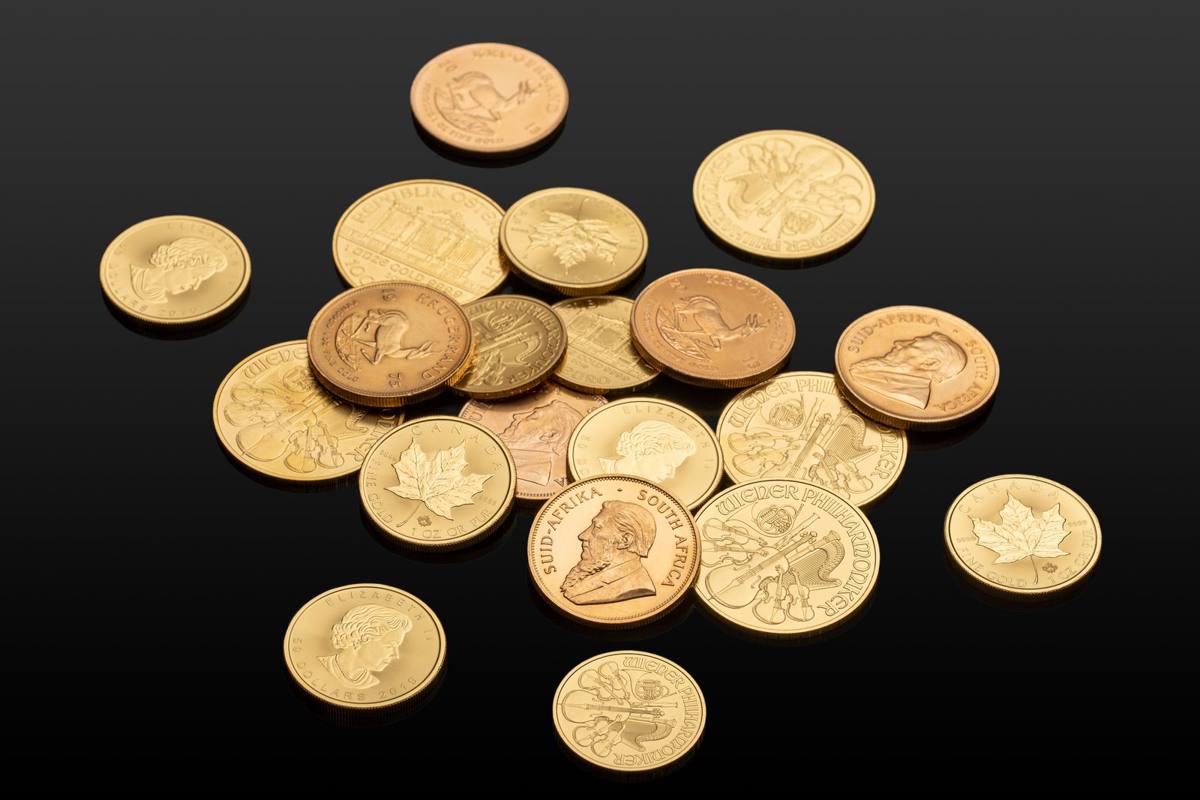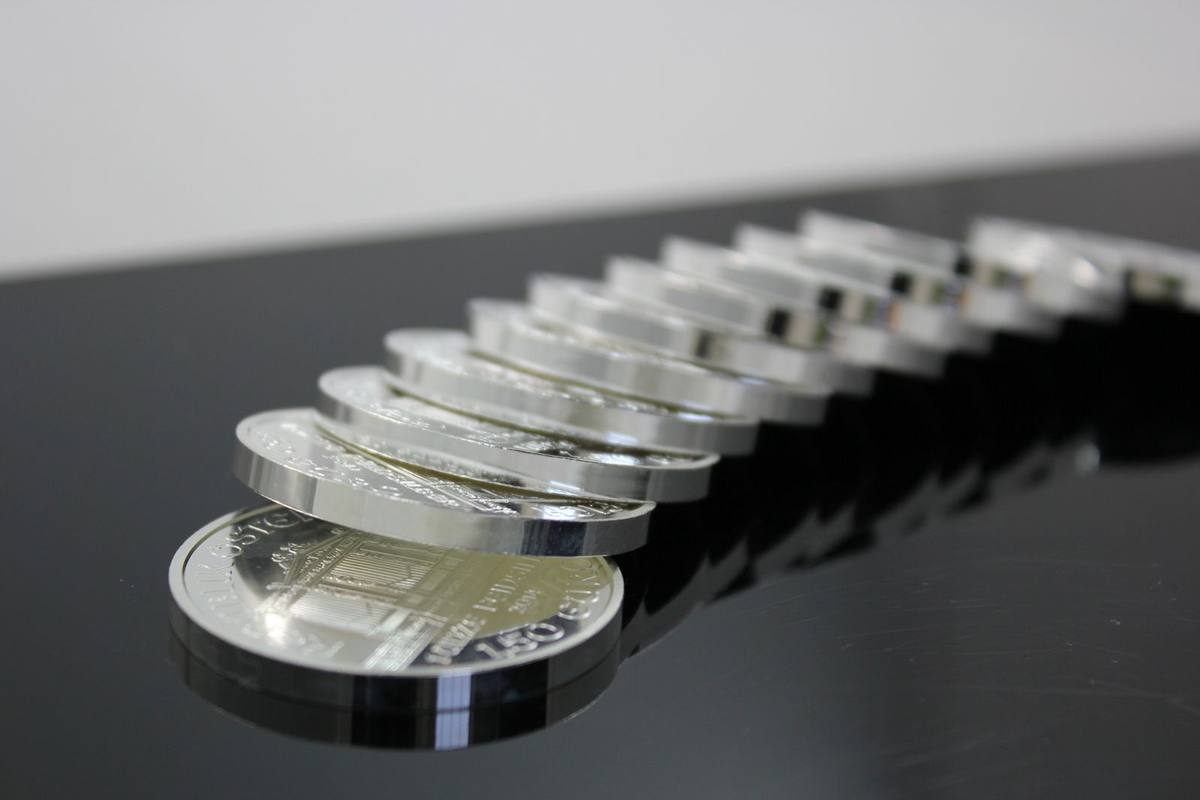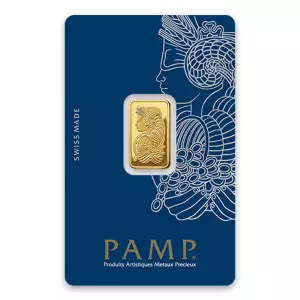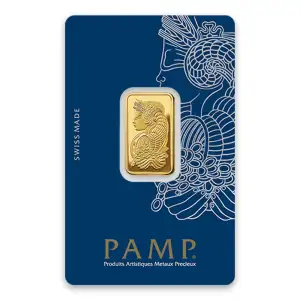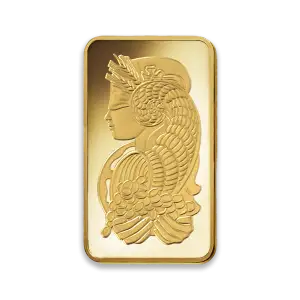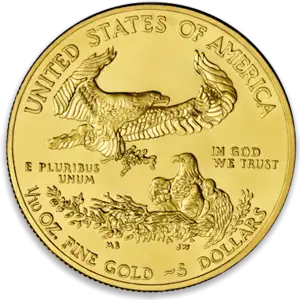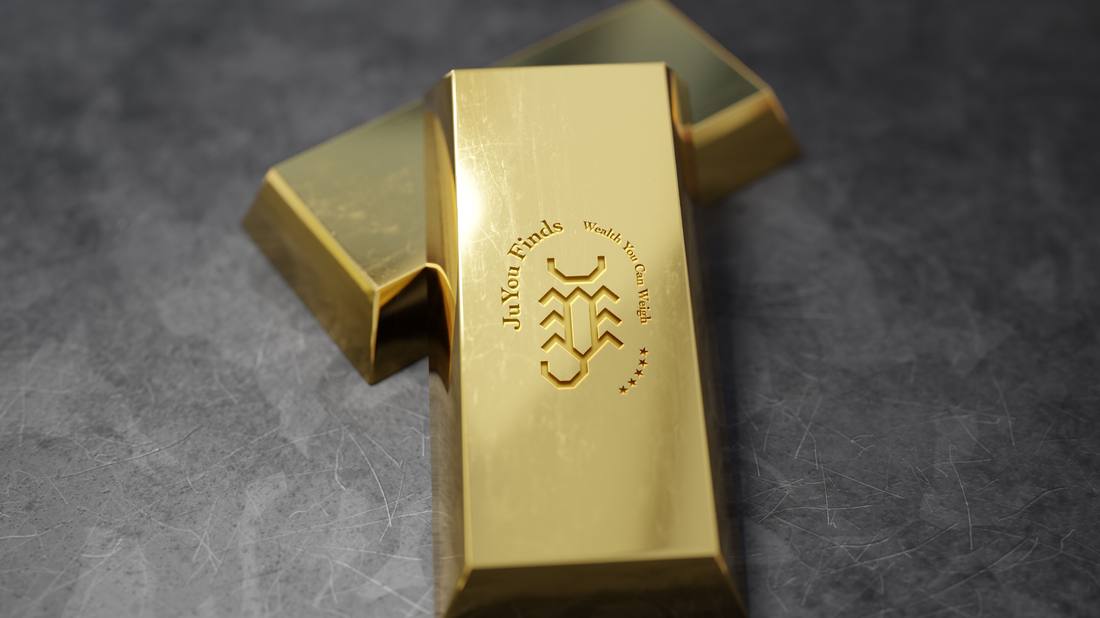
Few things sting like the sinking feeling that the "solid gold" coin you just bought might be worth little more than the plating on top of it. Counterfeit gold products — coins, rounds, and bars coated with a thin layer of gold over cheap base metal — keep circulating, and the fakes keep getting better. The good news is that you can run several practical checks at home to tell the difference before you hand over your money, or after a purchase when something doesn't look right.
Keep in mind that no single home test is bulletproof. Used together, though, they catch the vast majority of fakes. Here is how to work through them.
Start With the Stamps and Markings
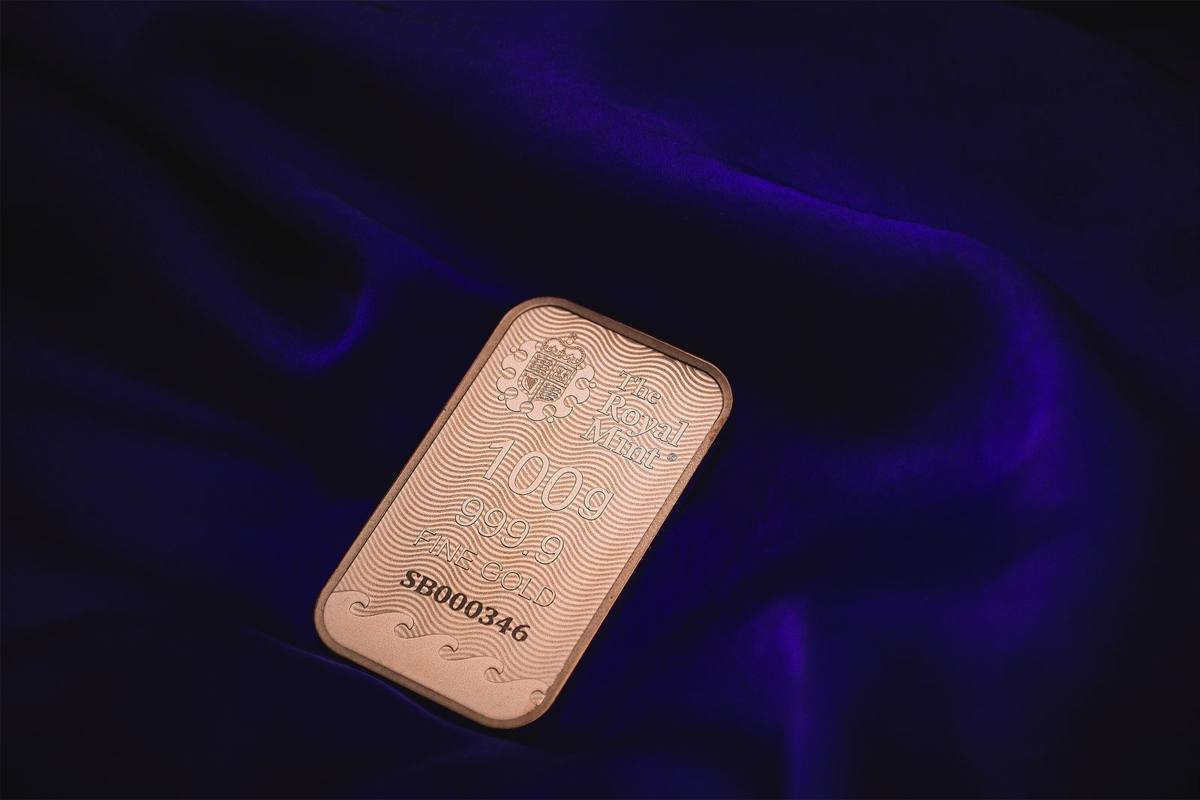
Real gold products carry purity markings — "999," ".9999 fine," "24K," or similar hallmarks stamped into the metal. Your first move is to look for them. A genuine mint or refiner marks its products clearly, and sloppy, shallow, or misspelled stampings are a red flag all on their own.
That said, stamps are the easiest thing to fake. A convincing counterfeit can wear a convincing hallmark. So treat markings as a first screen, not a verdict: their absence is damning, but their presence only earns the coin a closer look.
Weigh and Measure It
One of the fastest objective checks is also one of the most reliable. Gold is exceptionally dense — matching a genuine coin's exact weight and dimensions with a fake is genuinely difficult. Look up the manufacturer's official specifications, then compare with a precision scale (accurate to at least 0.01 grams) and a set of calipers.
If your piece fails the weight or size test, it is almost certainly gold-plated base metal, and you should stop there. One caveat worth knowing: tungsten is nearly as dense as gold, so a tungsten core under gold plating can slip through this test. That is why you never rely on it alone.
The Magnet Test
Pure gold is not magnetic, so a magnet check takes seconds and costs nothing. Hold a strong magnet — a neodymium magnet works well — close to (but not touching) the coin over a non-metal surface like wood or glass. If the coin pulls toward the magnet, it contains a significant amount of non-gold metal, and that is all the answer you need.
The catch: passing the magnet test does not prove authenticity. Plenty of fakes are built around non-magnetic cores precisely to dodge this check. A pass just means the piece moves on to the next round of testing.
The Ping Test
Balance the coin on your fingertip and tap it gently with another coin or a small stick. Genuine gold coins produce a clear, sustained ring; fakes tend to give a dull, flat thud. You can compare the sound against a coin you already know is real, or use one of the free smartphone apps that analyze the ring frequency — phone microphones are surprisingly consistent at this.
Different coins ring differently depending on their alloy, so a high-pitched ring on one coin and a softer tone on another can both be perfectly genuine. What you are really listening for is the dead, lifeless thud of plated metal — no resonance at all.
Read the Fine Print Before You Buy
When a deal looks unusually good from an unfamiliar seller, scrutinize the listing. Some websites sell items styled like gold coins and bury the words "gold-plated" in small print near the bottom of the page. If the seller is new, has almost no reviews, or the price sits well below the going rate for the metal content, walk away — no test is as reliable as simply not buying a fake in the first place.
When to Call in the Professionals
If your home tests are inconclusive or contradict each other, it is time for professional equipment. Devices like ultrasonic thickness gauges and the Sigma Metalytics verifier measure the metal all the way through the coin — something no plating can fool — and many local coin shops will test a piece for you for a small fee or even free.
The single most effective protection, though, happens before you buy: purchase only from established, reputable dealers with a track record. A trustworthy seller stands behind every product and makes these worries far less necessary.