Two coins can contain exactly the same amount of gold or silver and still carry very different price tags. That gap confuses a lot of first-time buyers, but it makes sense once you break a price into its parts. Almost every precious-metals product is valued from the same building blocks: the metal itself, a premium on top of it, and — for some pieces — a collectible value that has little to do with weight.
Start With Spot and the Premium
The starting point is the spot price: the current market price for one troy ounce of the metal, which moves throughout the trading day much like a stock price. No dealer sells at spot itself. On top of spot sits the premium, the markup that covers minting, distribution, and the dealer's margin.
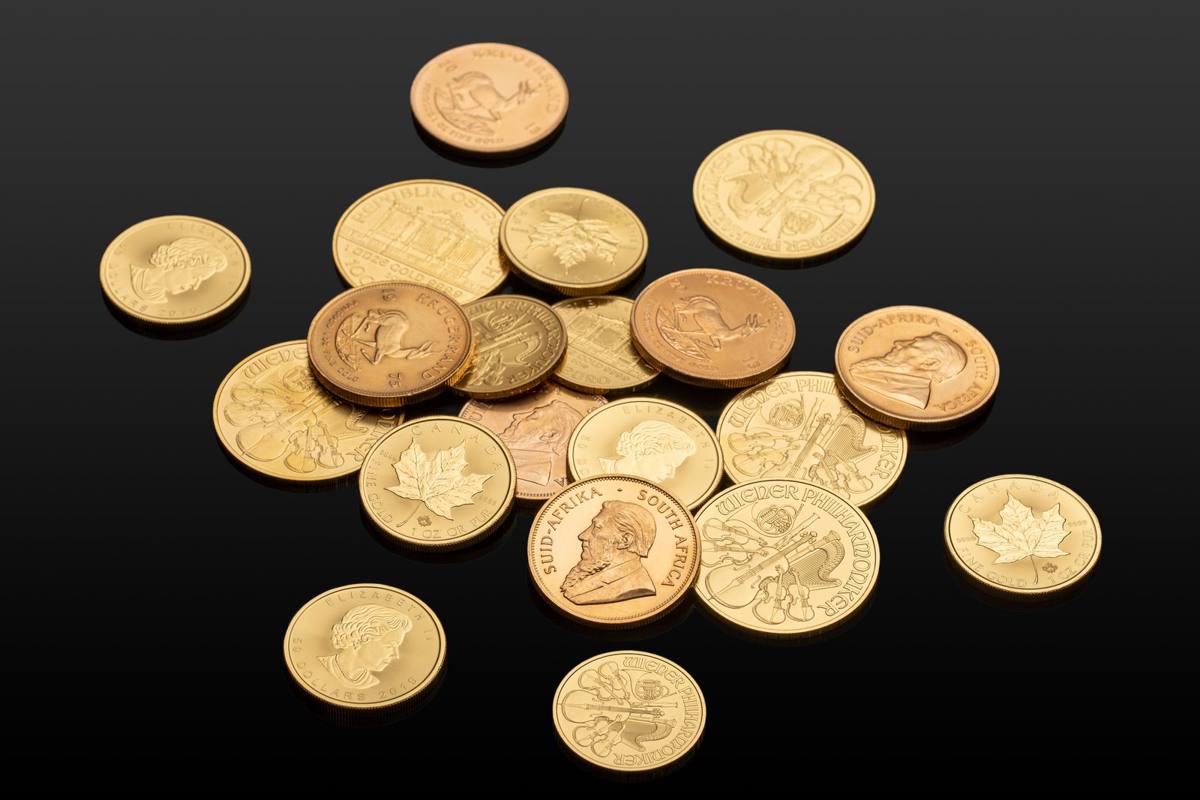
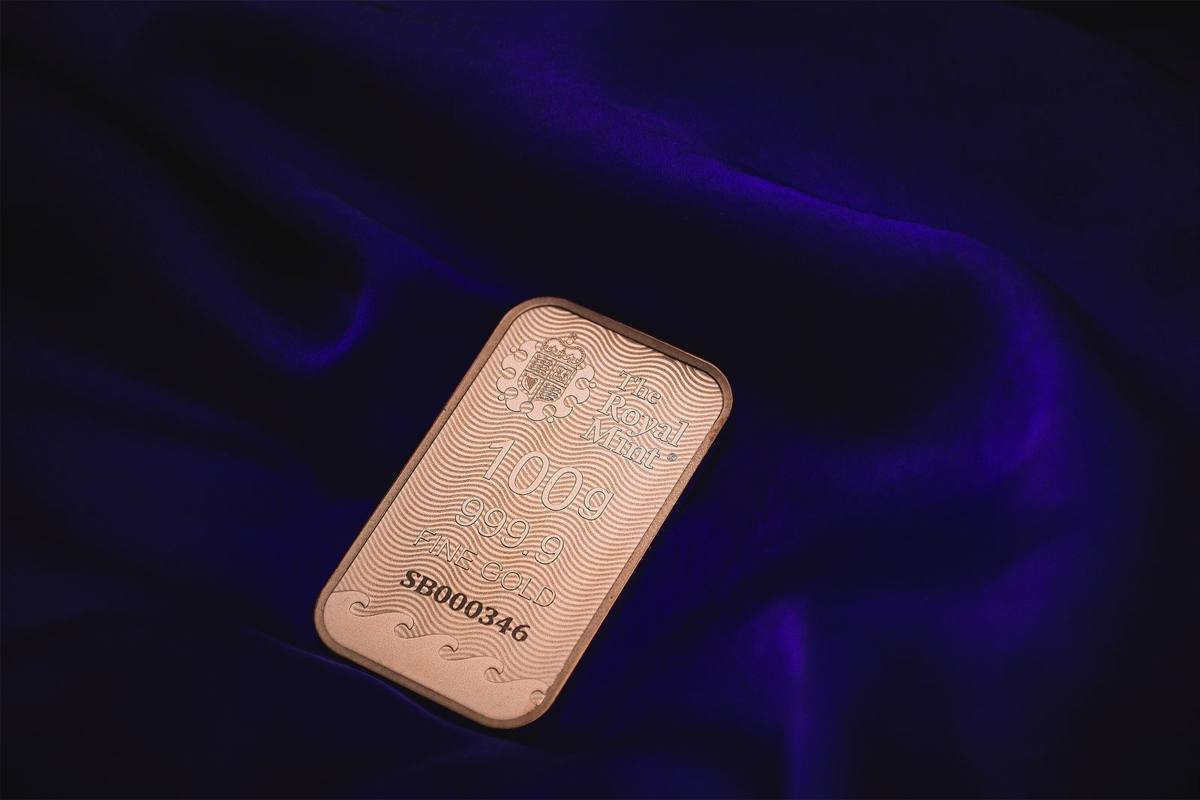
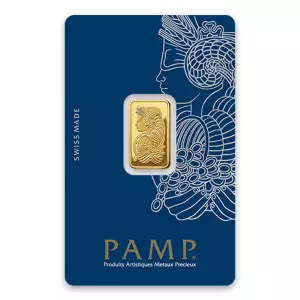
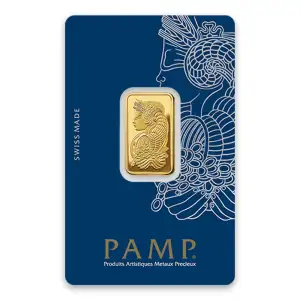
Two patterns are worth knowing. First, gold premiums usually run lower, as a percentage of spot, than silver premiums. Second, smaller products carry higher premiums per ounce than larger ones, because a mint does roughly the same amount of work to strike a quarter-ounce coin as a one-ounce coin. A small fractional coin will therefore cost more per ounce than a kilo bar, even when the metal is identical.
Bullion Value vs. Semi-Numismatic Value
A standard bullion coin or bar is priced almost entirely off its metal content plus that premium. Move into semi-numismatic territory and a third layer appears: collectible value. Age, rarity, and condition start to matter alongside weight. That is why a well-preserved ancient coin can be worth far more than a newly minted coin with the same metal content — buyers are paying for history and scarcity, not just metal.
Supply and demand sit underneath both categories. When a popular series is hard to source, premiums rise for buying and selling alike. When supply is plentiful and interest cools, premiums compress toward melt value.
Why Government Coins Often Cost More
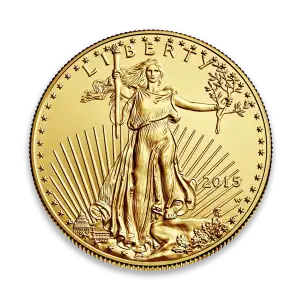
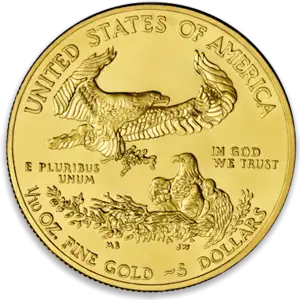
Sovereign coins — coins struck and backed by a government mint — usually display their weight, purity, and face value right on the piece. That transparency makes them easy to verify and widely trusted. Private-mint rounds may not carry the same markings and are not government-backed, so they often trade a little cheaper.
Distribution adds cost too. Government mints generally do not sell bullion coins directly to the public; the coins pass through a network of distributors first, and each step can add to the final premium.
Same Metal, Different Price: Popularity Matters
Recognition alone can move a price. Consider two one-ounce gold coins with the same purity: the American Gold Buffalo and the Australian Gold Kangaroo. The Buffalo frequently costs more. It was the U.S. Mint's first 24-karat gold bullion program, it is in consistently high demand, and many U.S. buyers prefer a coin backed by the U.S. government with a dollar denomination. The Kangaroo, struck by The Perth Mint and backed by the Australian government, is a respected coin — it simply draws less demand in the U.S. market, so its premium tends to sit lower. Neither coin contains more gold; the market is pricing familiarity and demand.
Modern, Vintage, and Pop-Culture Pieces
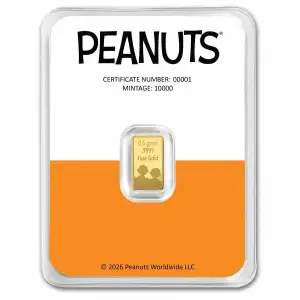
Modern series draw buyers with new designs and, sometimes, licensed themes that bring in collectors who would never otherwise buy metal. Vintage coins appeal for the opposite reason: they were made for a limited time, they carry history, and surviving examples in good shape are finite. How much either factor is worth is partly subjective — a fan will pay up for a design they love, while a classic-coin collector may not.
Limited mintages show the effect clearly. When a popular limited issue sells out, resale prices can climb to several times the original premium if demand stays strong.
What Grading Adds
For collectible coins, professional grading can settle arguments about condition and authenticity. Firms such as PCGS and NGC grade coins on the Sheldon Scale. Circulated grades run from Poor (1) through Good (4–6), Very Good (8–10), Fine (12–15), Very Fine (20–35), and Extremely Fine (40–45), followed by About Uncirculated (50–58). Uncirculated coins are graded Mint State 60–70, and Proof coins also fall in the 60–70 range.
Grading matters most for older coins, where condition can vary enormously from one example to the next. A certified grade removes the guesswork, and for some issues a single grade step can change the value substantially.
The Takeaway for Buyers and Sellers
Before you buy or sell, separate the price into its parts: check the current spot price, compare the premium per ounce for the size you are considering, and ask whether you are also paying for collectibility, a government mint's backing, or a popular series name. If the collectible layer does not matter to you, a lower-premium product with the same metal content will usually be the better value. If it does matter, grading, rarity, and condition deserve as much attention as weight and purity.