Buying physical gold may seem straightforward until you begin comparing gold coins, bars, and collectible pieces. Although these products may contain the same precious metal, their premiums, resale markets, sizes, and purposes can be very different.
One important point is often overlooked: gold coins and gold bullion are not necessarily separate categories. Some gold coins are bullion products, while others are valued primarily for their rarity and collectible appeal.
Understanding these differences can help you choose the gold products that best match your goals and budget.
What Is Gold Bullion?
Gold bullion refers to physical gold valued mainly according to its weight and purity. Bullion may be produced in several forms, including:
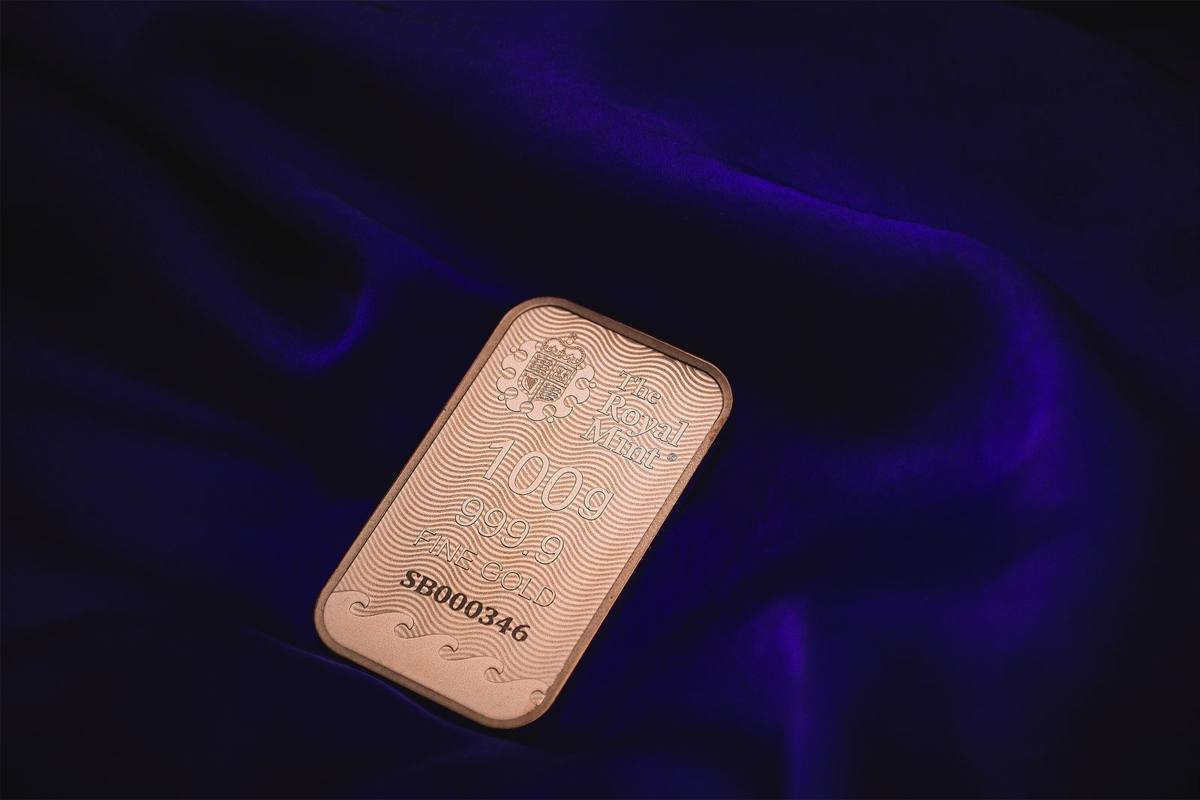
- Gold bars
- Gold ingots
- Gold rounds
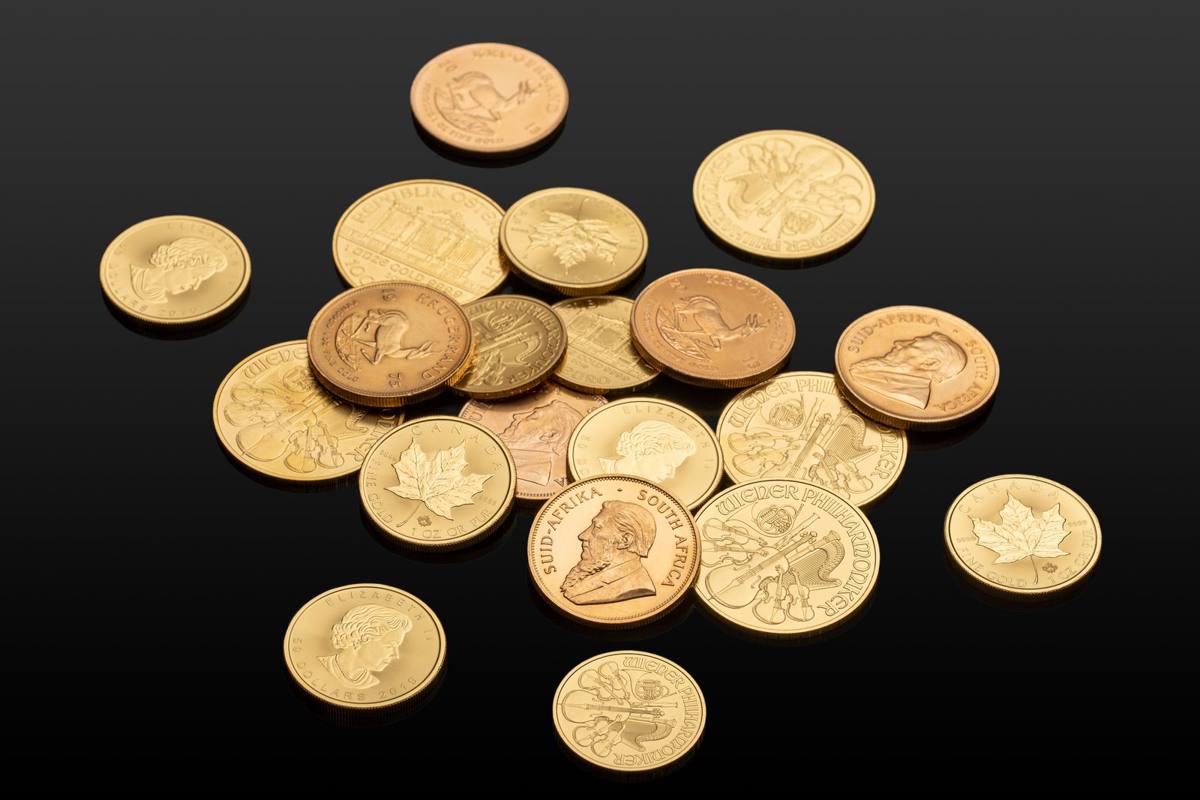
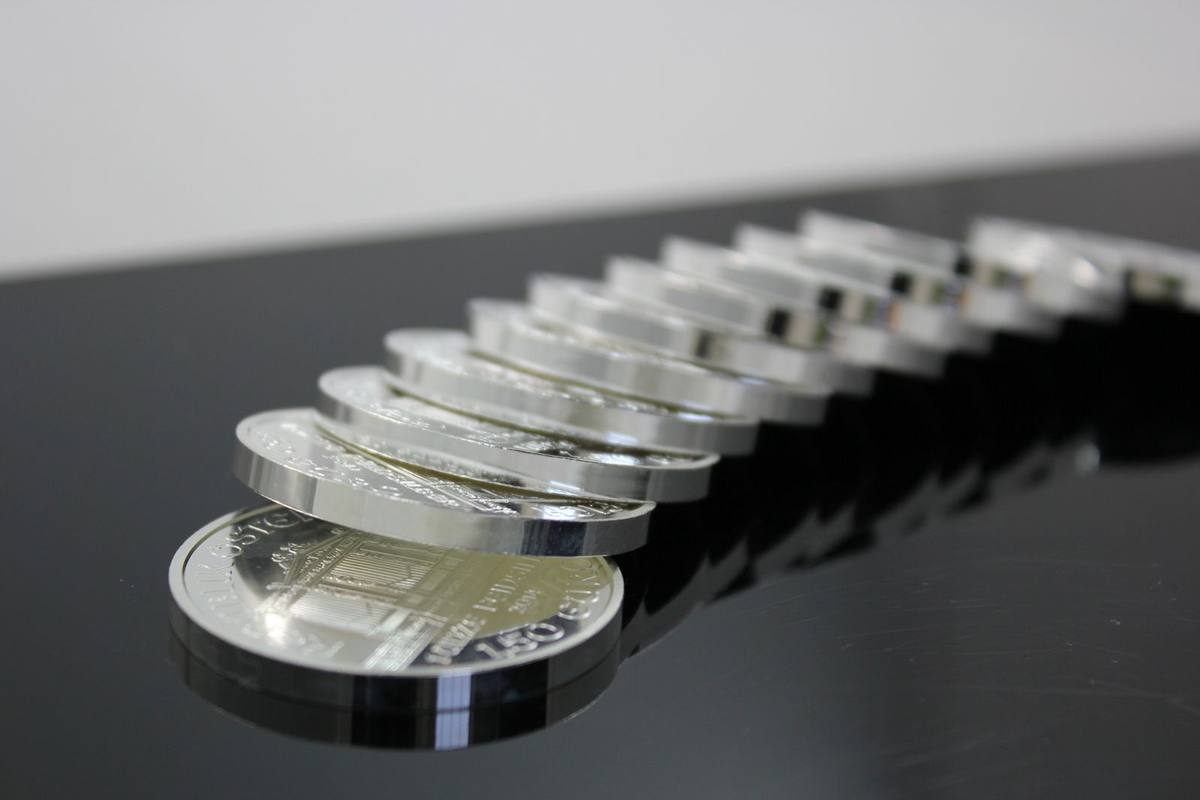
- Government-issued bullion coins
The value of a bullion product generally follows the current gold spot price, plus a premium that covers refining, minting, distribution, and dealer costs.
According to the United States Mint, bullion includes precious metals formed into bars, ingots, or coins after being tested for weight and purity.
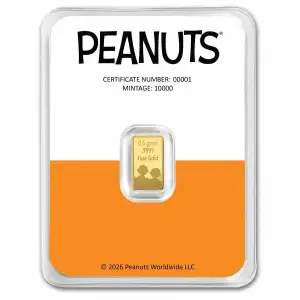
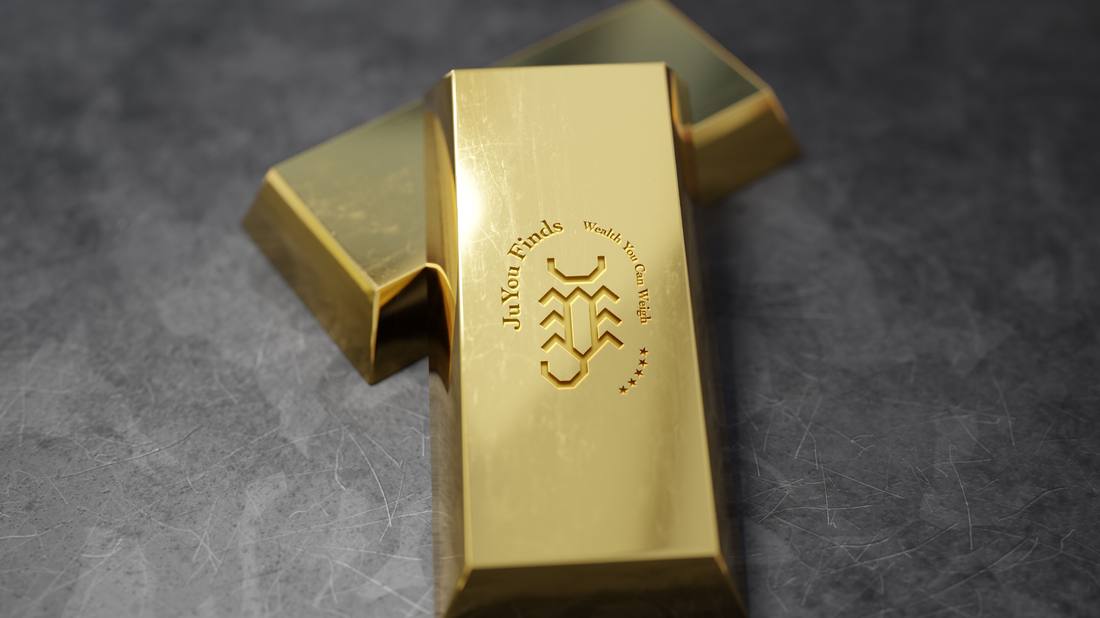
Gold bars are one of the most recognizable forms of bullion. They are produced in sizes ranging from fractional grams to hundreds of ounces. Many investors choose bars because they often carry lower premiums per ounce than comparable gold coins.
Are Gold Coins Considered Bullion?
Some are, but not all gold coins fall into the same category.
Gold coins generally belong to one of two groups:
Bullion Gold Coins
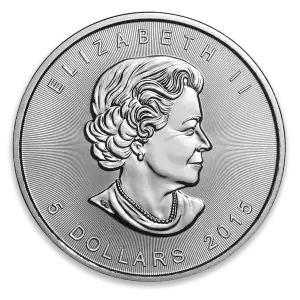
Bullion coins are issued by government mints and valued primarily for their precious-metal content. They have an official face value, but their actual market value is normally much higher because of the gold they contain.
Popular examples include:
- American Gold Eagle
- American Gold Buffalo
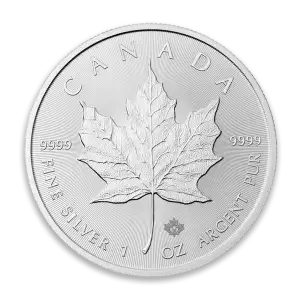
- Canadian Gold Maple Leaf
- South African Gold Krugerrand
- British Gold Britannia
- Australian Gold Kangaroo
Government-issued bullion coins are widely recognized and usually easy to buy or sell. Their weight and purity are backed by the issuing government. The U.S. Mint, for example, guarantees the weight, content, and purity of its American Eagle bullion coins.
Numismatic and Collectible Gold Coins
Numismatic coins are valued for more than their gold content. Their prices may also be influenced by:
- Age
- Rarity
- Mintage
- Condition
- Historical significance
- Mint errors or special varieties
- Collector demand
A rare historical gold coin may sell for considerably more than its melt value. Unlike ordinary bullion, collectible coins often require specialized knowledge to evaluate accurately.
Third-party grading services such as PCGS and NGC may authenticate and grade these coins. Even a small difference in grade can significantly affect the value of a scarce coin.
Gold Coins vs. Gold Bars
Although both can provide direct ownership of physical gold, there are several practical differences.
Premiums
Gold bars generally offer the lowest premium per ounce, especially in larger sizes. This can make them attractive to buyers focused on acquiring the greatest amount of gold for their budget.
Government bullion coins usually carry higher premiums because of their detailed designs, legal-tender status, minting costs, and strong public recognition.
Collectible coins may carry much higher premiums when rarity, condition, or historical importance contributes to their value.
Recognition and Resale
Well-known bullion coins are recognized around the world. Products such as the American Gold Eagle, Canadian Maple Leaf, and Gold Krugerrand often have strong resale markets.
Gold bars from established refiners are also highly marketable. However, brand recognition, condition, assay packaging, and product size can affect how easily a particular bar is sold.
Flexibility
Fractional gold coins and small bars provide greater flexibility because owners can sell a portion of their holdings without selling everything at once.
For example, several one-tenth-ounce coins can be sold individually, while a single large bar cannot be divided without refining it.
The tradeoff is that smaller products usually carry a higher premium per ounce.
Condition and Packaging
Minor marks generally have less effect on an ordinary bullion product when its value is based mainly on metal content. However, damage to assay packaging or uncertainty about authenticity may affect buyer confidence and resale offers.
Condition is much more important for collectible coins. Cleaning, scratching, polishing, or improper handling can substantially reduce their numismatic value.
Which Type of Gold Is Right for You?
The best choice depends on what you want from your purchase.
Consider Gold Bars If You Want:
- More gold weight for your budget
- Lower premiums per ounce
- Simple exposure to the value of physical gold
- Efficient storage, especially for larger quantities
Consider Bullion Coins If You Want:
- Strong recognition and liquidity
- Government-guaranteed weight and purity
- Fractional sizes for easier resale
- A balance between metal value and attractive design
Consider Collectible Gold Coins If You Want:
- Historical significance
- Scarcity or limited mintages
- Artistic and cultural value
- The enjoyment of building a specialized collection
Many buyers choose a combination. Gold bars may form the low-premium foundation of a physical gold position, while recognized bullion coins add flexibility. Collectible coins can provide historical interest and potential numismatic value.
Frequently Asked Questions
Are gold coins always more expensive than gold bars?
Gold coins generally carry higher premiums per ounce than bars, but prices depend on size, availability, mint, condition, and market demand.
Do gold bars contain purer gold than coins?
Not necessarily. Many modern bars and bullion coins are made from .9999 fine gold. The American Gold Eagle is 22-karat gold, but each coin still contains its stated amount of pure gold because its total weight includes additional silver and copper for durability.
Are gold coins easier to sell?
Widely recognized bullion coins are generally easy to sell because dealers and collectors are familiar with them. Gold bars from reputable refiners are also highly liquid, although recognition and intact assay packaging may influence resale.
Is a collectible gold coin worth more than its gold content?
It can be. Rare dates, low mintages, exceptional condition, and historical importance may increase a coin’s value beyond its underlying gold content. However, collectible premiums can change according to market demand.
Should I buy one large gold bar or several smaller products?
A large bar usually offers a lower premium per ounce. Smaller bars and fractional coins cost more per ounce but provide greater flexibility if you later want to sell only part of your gold.
Buy Gold with Confidence at JuYou Finds
At JuYou Finds, we offer carefully selected gold bars, bullion coins, fractional gold, and distinctive collectible pieces for buyers throughout the United States.
Our Menlo Park sales office is available by appointment for local purchases, pickups, and complimentary consultations. Whether you are purchasing your first gram of gold or expanding an established collection, we are happy to help you compare products and understand their premiums, specifications, and resale considerations.
Explore our available gold products and discover the right addition to your collection today.
Disclaimer: This content is provided for general educational purposes only and should not be considered financial, investment, legal, or tax advice. Precious-metal prices can rise or fall. Buyers should conduct their own research and consult a qualified professional when appropriate.