First-Time Buyers FAQ
Buying gold or silver for the first time raises a lot of questions — and that's completely normal. This guide answers the most common questions new buyers ask, so you can place your first order with confidence.
What should I buy first?
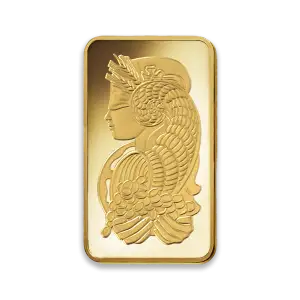
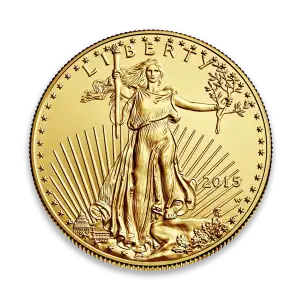
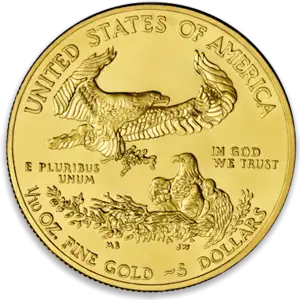
If you're buying for the metal value itself, the simplest place to start is a widely recognized one-ounce gold or silver bar, or a popular sovereign coin such as the American Gold Eagle or Canadian Maple Leaf. Bars generally carry the lowest premium over the metal's market price, which means you get more metal for your money. Coins from government mints add a layer of recognizability and a small collectible appeal, while private-mint rounds offer another low-cost way to accumulate metal.
What are the different types of precious metals products?
Physical precious metals are sold in three main forms:
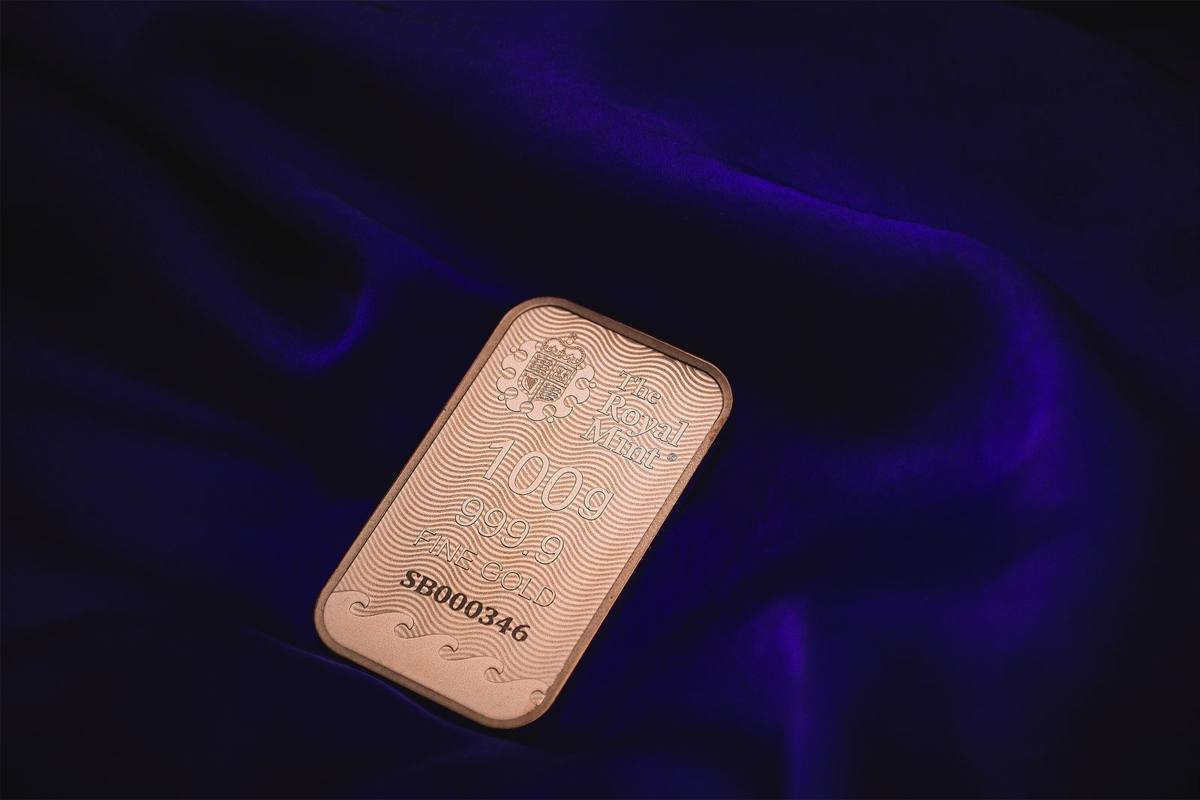
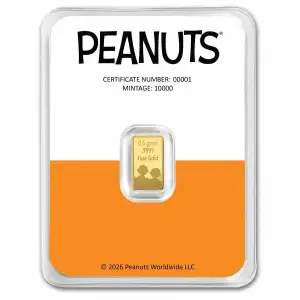
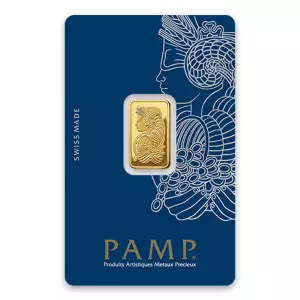
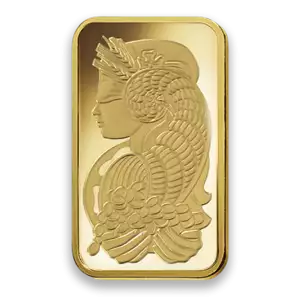
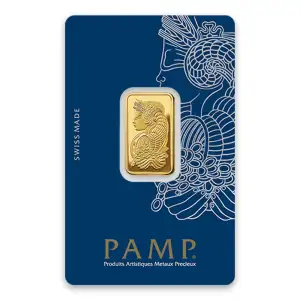
- Bars — produced by private refiners, available from one ounce up to larger weights. They are easy to store and the most cost-efficient way to accumulate metal per dollar spent.
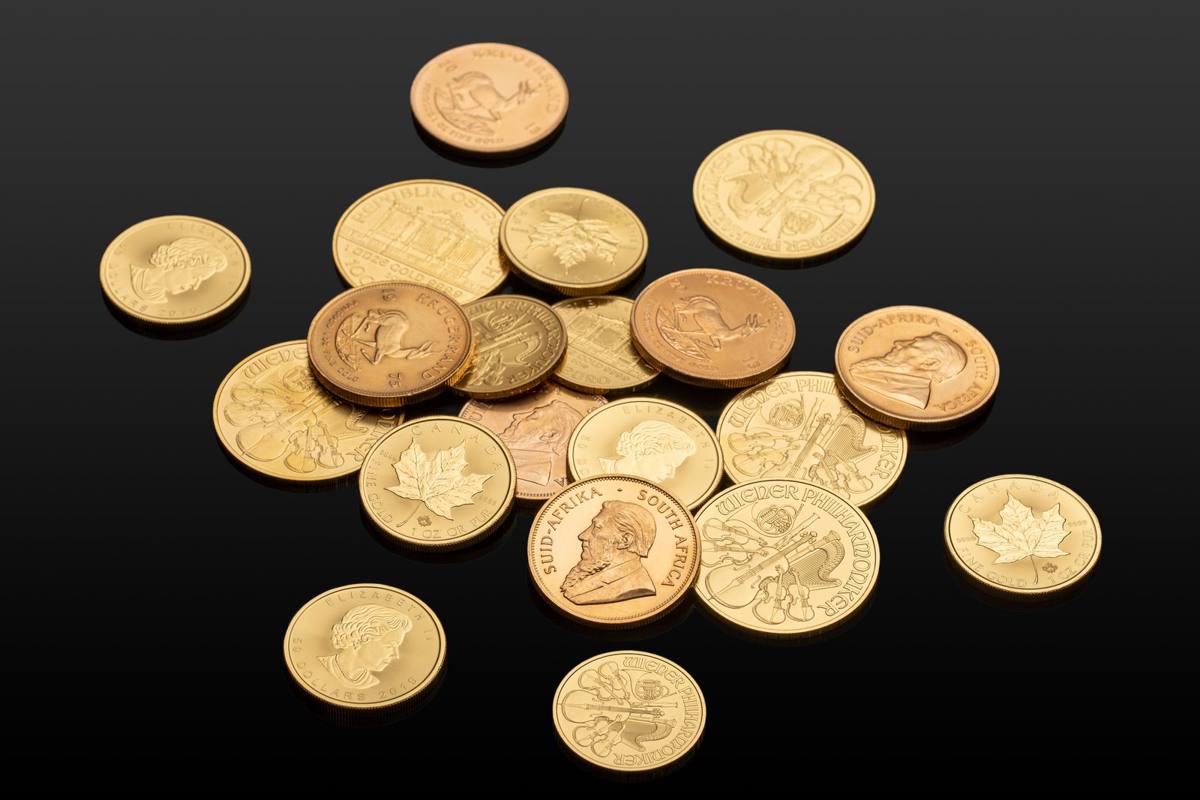
- Coins — issued by sovereign mints and backed by a face value. They carry a collectibility factor that bars and rounds do not, and popular government coins are easy to buy and sell worldwide.
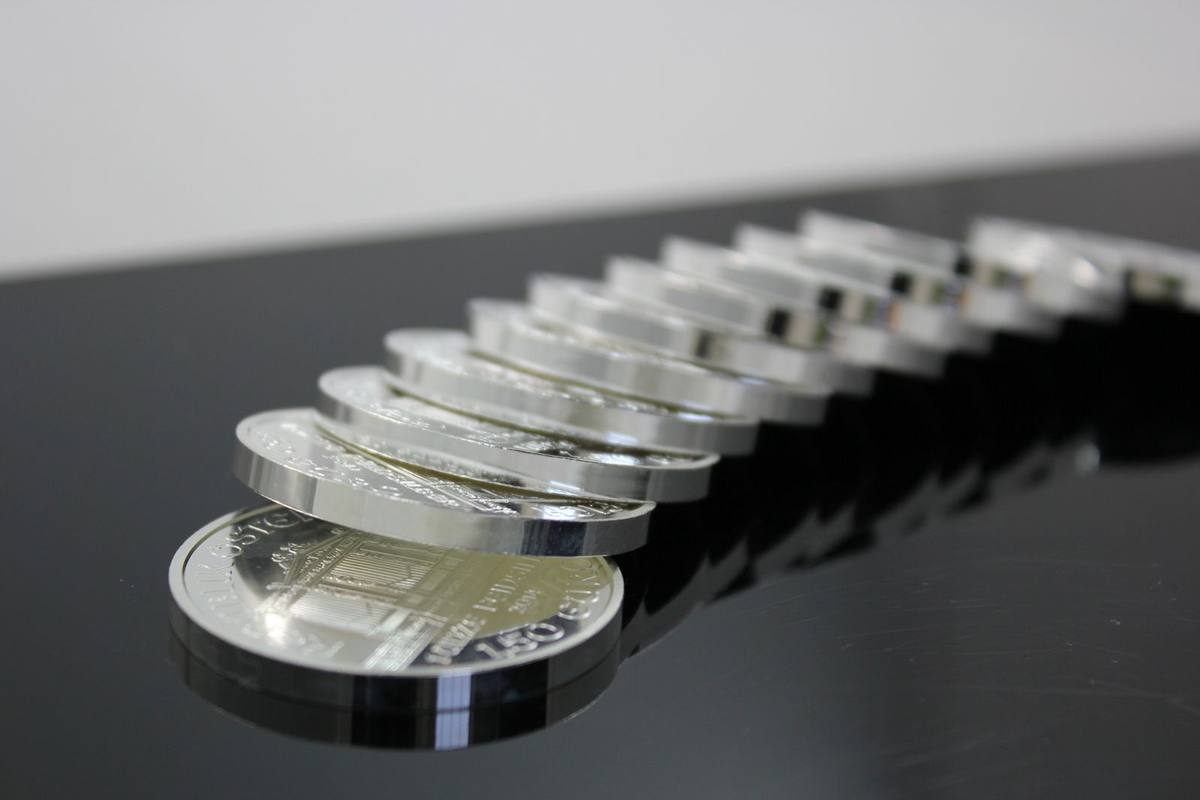
- Rounds — look similar to coins but carry no face value and are not legal tender. They are typically struck by private mints and trade at low premiums, making them a budget-friendly option for pure metal content.
How is the price of precious metals determined?
Two numbers make up the price of any bullion product:
- Spot price — the current market value of one ounce of the metal, changing minute by minute throughout the trading day, much like a stock price.
- Premium — the amount added above spot to cover minting, distribution, and the dealer's margin. Products bought strictly for metal content, like bars and rounds, carry the lowest premiums. Rare or collectible coins carry higher premiums because part of what you're paying for is their scarcity and history, not just the metal.
When your goal is metal content alone, buy as close to spot as possible so you don't need a large price move to come out ahead when you sell.
Why is gold so expensive?
Like any commodity, gold's price comes from supply and demand. Supply is limited — gold is rare, and the world's stock grows only by what can be mined and refined, often at considerable expense. Demand comes from several directions: jewelry, which absorbs a large share of annual production; investors who treat gold as an alternative store of value; and central banks that hold gold to support their national reserves.
Why do people invest in precious metals?
Precious metals are valued because they sit outside the paper financial system. When the purchasing power of currencies declines, gold and silver have historically held or increased their value — the metals can't be printed into existence, and they can never become completely worthless. For many buyers, physical gold and silver act as a long-term hedge against inflation and economic uncertainty, rather than a quick speculative trade.
Where should I store my gold and silver?
The two most common options are storing at home in a high-quality safe, or keeping your metals in a bank safe deposit box. Whichever you choose, protect your items with individual capsules or holders so they don't get scratched or damaged in handling. Condition matters when you sell, so handle bullion by the edges and avoid cleaning coins, which can hurt their resale value.
How do I pay for an order?
Most dealers accept several payment methods: major credit cards, PayPal, personal or certified checks, and bank wire transfers. Each method has its own trade-offs — cards are fast but may carry processing fees, while checks and wires are often cheaper for large orders but take longer to clear. Always confirm the expected delivery timeline before you choose.
Can I sell my metals easily later?
Yes. Gold and silver bullion is one of the most liquid physical assets in the world. Reputable dealers buy back popular products every day — one-ounce bars and well-known sovereign coins are the easiest to sell. That said, precious metals work best as a long-term holding; give your investment time rather than trading in and out on short-term price moves.