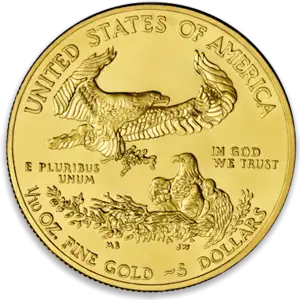
Two of the most popular gold coins struck by the United States Mint are the American Gold Eagle and the American Gold Buffalo. Both contain a full troy ounce of gold, both carry a $50 legal-tender face value, and both enjoy strong demand from investors and collectors. But they are far from identical. Purity, history, fractional options, and even the way the market prices each coin all differ. This guide breaks down the Gold Eagle versus the Gold Buffalo so you can decide which one fits your goals.
Meet the Two Coins
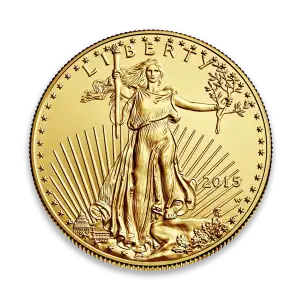
The American Gold Eagle launched in 1986 and has since become one of the best-known bullion coins on the planet. It is issued in four sizes — 1 ounce, 1/2 ounce, 1/4 ounce, and 1/10 ounce — and its design traces back to Augustus Saint-Gaudens’ famous double eagle from the early 1900s. Decades of continuous production have made the Gold Eagle a deeply liquid, instantly recognizable asset.
The American Gold Buffalo is the younger sibling, first released in 2006. Its design is adapted from James Earle Fraser’s beloved Buffalo nickel, with the American bison on one side and a portrait of a Native American chief on the other. Unlike the Eagle, the Buffalo is minted from pure 24-karat gold, which made it the first .9999-fine gold coin ever produced by the U.S. Mint.
Specifications Side by Side
| American Gold Eagle (1 oz) | American Gold Buffalo (1 oz) | |
|---|---|---|
| First year of issue | 1986 | 2006 |
| Purity | .9167 fine (22 karat) | .9999 fine (24 karat) |
| Gold content | 1 troy ounce | 1 troy ounce |
| Composition | 91.67% gold, 3% silver, 5.33% copper | 100% gold |
| Diameter | 32.7 mm | 32.7 mm |
| Thickness | 2.87 mm | 2.95 mm |
| Face value | $50 | $50 |
| Fractional sizes | Yes (1/2, 1/4, 1/10 oz) | 2008 only |
| IRA eligible | Yes | Yes |
| Issued by | United States Mint | United States Mint |
Purity vs. Durability
The most meaningful difference between the two coins is metal composition. The Gold Buffalo’s pure 24-karat gold appeals to investors who want their gold as close to fine as possible — no alloy, just gold. For many buyers, that simplicity is the whole point of owning physical bullion.
The Gold Eagle takes the opposite approach. Its 22-karat alloy, hardened with silver and copper, is tougher and more resistant to the scratches, nicks, and edge wear that soft pure gold can pick up from handling. If you expect to handle your coins, move them between storage, or value durability over absolute purity, the Eagle’s alloy construction is a genuine practical advantage. Note that despite the difference in purity, each 1-ounce coin holds exactly one troy ounce of gold — the Eagle simply weighs slightly more overall (about 1.09 troy ounces) to accommodate the alloy.
Recognition, Liquidity, and Premiums
With nearly four decades of continuous minting behind it, the Gold Eagle enjoys the widest recognition of any U.S. gold coin. Dealers everywhere buy and sell Eagles, and its deep secondary market can make resale fast and predictable. The Buffalo, while still a U.S. Mint product with a strong following, has a shorter track record and typically trades in slightly smaller volumes.
Both coins sell at a premium above the spot price of gold, and that premium moves with supply, demand, production costs, and overall market conditions. Because of its longer history and broader recognition, the Gold Eagle can sometimes command a slightly higher premium than the Buffalo, though the gap varies over time. Always compare current premiums from your dealer before buying — the cheaper premium on a given day may be the better value, and vice versa.
Fractional Options
Flexibility is another area where the Eagle pulls ahead. It is available in four sizes, so buyers working with a smaller budget can still own a U.S. Mint gold coin — the 1/10-ounce Eagle is one of the most affordable ways to hold physical gold. Fractional coins also offer flexibility at resale time: selling a quarter-ounce coin is easier than liquidating a full ounce when you only need a portion of your holdings.
The Gold Buffalo is effectively a one-ounce coin. The Mint produced fractional Buffalos only in 2008, and those are now collector items rather than regular bullion offerings. If you want fractional U.S. Mint gold, the Eagle is your option.
Which Coin Is Right for You?
Choose the American Gold Eagle if you value maximum liquidity, global recognition, a tougher coin that shrugs off handling, and the flexibility of fractional sizes. It is the workhorse of U.S. gold bullion — the coin most dealers will buy back without hesitation.
Choose the American Gold Buffalo if you want pure 24-karat gold, prefer the iconic Buffalo nickel design, and don’t need fractional sizes. For the buyer who simply wants one full ounce of fine gold backed by the U.S. government, the Buffalo delivers exactly that.
Either way, both coins are backed by the United States Mint, both are eligible for precious-metals IRAs, and both are exempt from the counterfeit concerns that shadow obscure foreign issues — buy from a reputable dealer, and you can own with confidence. As with any investment, weigh your goals, your budget, and current premiums before deciding, and consider speaking with a trusted financial professional.