- +1 (408) 639 5793
-
Fully insured Shipping
-
Pick Up in Store

Assaying Services
X-Ray Fluorescence AnalysisJuYou Finds LLC offers expert assaying services to customers who want to determine the types and quantities of different metals in an item. We use state-of-the-art x-ray fluorescence analysis to determine the metal type (i.e. assaying) and percent of total.
We can identify elements of 26 different metals, including gold, silver, platinum, palladium, copper, zinc, nickel, cadmium, iron, manganese, and lead among many others. Whether you want to understand the value of some gold jewelry, or are trying to identify or validate the content of items you have found or had manufactured, JuYou Finds LLC can provide an accurate assessment of the metal content. We cannot assay rocks that you may believe contain precious metals unless there are visible and larger sections containing metal.
If you would like cadmium or lead testing, our x-ray fluorescence testing is the same method/technology that many state agencies use to test toys and other items for lead or cadmium. However, we are not a licensed cadmium or lead tester and cannot provide official documentation.
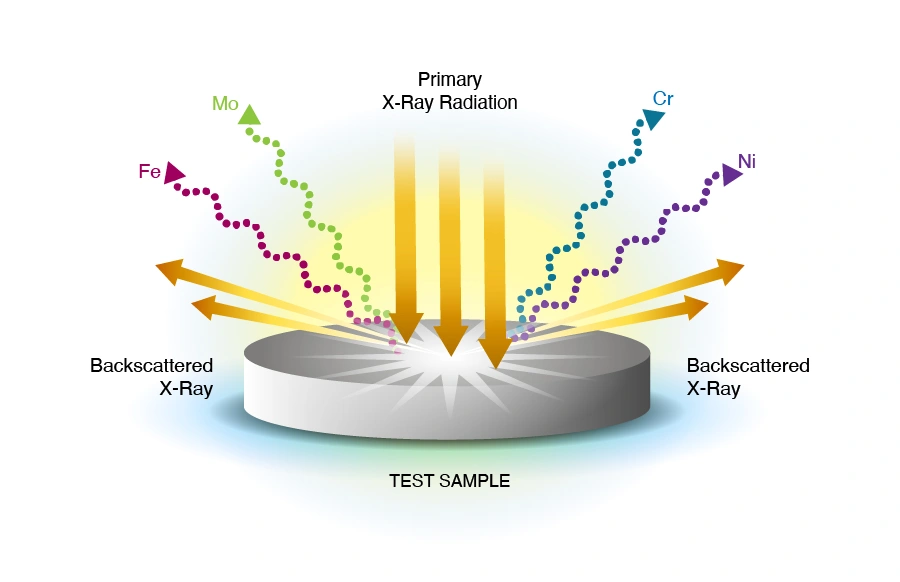
XRF Analysis
Pricing for XRF analysis does not include the price of shipping should you send us your item and want it returned to you. Call us for details on returning a sample when you are not present for the test.
$10
Specific gravity (density) can be a good secondary way of supporting the output of the x-ray fluorescence analysis. We provide it on any metal object, returning the average density of the metals used to make it. Hollow objects are a limitation. Specific gravity tests are only offered on items already submitted to x-ray fluorescence testing.
$10
Testing items that have at least two flat, parallel sides can be another way to determine what metal an item may contain — confirming whether the material found on the surface is the same deep inside. Typically helpful in negative identification when an item is suspected of being pure. Applicable once XRF testing has been completed.
$40
We can provide written documentation of the results on all of our testing. This documentation comes written on our letterhead and can, if needed, include a picture of the item tested.
In mining and economics, base metals refers to industrial non-ferrous metals excluding precious metals. These include copper, lead, nickel and zinc. The U.S. Customs and Border Protection is more inclusive in its definition, adding iron and steel, aluminum, tin, tungsten, molybdenum, tantalum, cobalt, bismuth, cadmium, titanium, zirconium, antimony, manganese, beryllium, chromium, germanium, vanadium, gallium, hafnium, indium, niobium, rhenium and thallium.
A precious metal is a rare, naturally occurring metallic chemical element of high economic value. Chemically, the precious metals are less reactive than most elements. They are usually ductile and have a high luster. The best-known precious metals are the coinage metals, gold and silver. Other precious metals include the platinum group metals: ruthenium, rhodium, palladium, osmium, iridium, and platinum, of which platinum is the most widely traded.
Bring it in or reach out — our team will walk you through the process and give you an accurate, fair assessment.